
BIM in China: Bim Providers and MEP Outsourcing Trends
- 1. BIM in China: How the Market Is Developing
- 2. Top BIM Companies in China
- 2.1. Glodon
- 2.2. China State Construction Engineering Corporation – CSCEC
- 2.3. Shanghai Construction Group – SCG
- 2.4. East China Architectural Design & Research Institute – ECADI
- 2.5. Beijing Institute of Architectural Design – BIAD
- 2.6. China Academy of Building Design – CADG
- 2.7. Comparison of Selected BIM Companies in China
- 3. BIM Standards and Technology in China
- 4. BIM Outsourcing in China: What Should International Clients Check?
- 4.1. What Should Be Included in the Scope of Work?
- 4.2. BIM Outsourcing vs BIM Consulting
- 4.3. How to Choose BIM Consultants in China for an International Project
- DHA ENGINEERING – BIM Services for China and International Projects
- Frequently Asked Questions About BIM Outsourcing
- Choosing the Right BIM Partner in China
- DHA Vietnam Engineering Co., Ltd.
China has become a major market for BIM, digital construction and lifecycle information management, with applications extending beyond 3D modeling to design, construction and facility management. For BIM China services, clients should distinguish between construction groups, design institutes, BIM technology companies and outsourcing providers.
1. BIM in China: How the Market Is Developing
China's BIM market has developed alongside a broader national strategy for digital construction and intelligent construction. The Chinese government has promoted the integration of BIM with IoT, big data, cloud computing, artificial intelligence, digital construction platforms, and smart construction sites. The 2020 national guidance on intelligent construction and construction industrialization specifically called for greater integration of BIM and other digital technologies across the construction process. More recently, China's housing and urban-rural development authorities have continued to promote BIM throughout the lifecycle of buildings, including design, construction, operation, maintenance, digital delivery, and digital review.
1.1. Key characteristics of the Chinese BIM market
The development of BIM in China can generally be observed across several directions:
-
BIM-based architectural and engineering design.
-
Structural BIM.
-
MEP BIM.
-
BIM coordination.
-
Construction BIM.
-
4D construction planning.
-
5D cost management.
-
Digital construction sites.
-
BIM-based quantity take-off.
-
Digital delivery.
-
BIM-based facility management.
-
Digital twins.
-
AI-assisted design and construction.
-
CIM and smart-city platforms.
The direction is therefore moving from "BIM as a model" toward "BIM as project information infrastructure."
2. Top BIM Companies in China
2.1. Glodon
Glodon is one of China's best-known construction technology and digital building companies. Established in 1998 and listed on the Shenzhen Stock Exchange in 2010, Glodon describes itself as a digital building platform provider covering the construction project lifecycle. Its official corporate information reports more than 7,000 employees, more than 60 global branches and services provided to customers in more than 100 countries and regions.
Glodon's capabilities extend beyond conventional BIM modeling, covering BIM, digital construction, cost estimation, cloud platforms, big data, digital twins and 5D BIM. Its international product portfolio also includes MagiCAD for MEP design within Revit, AutoCAD and BricsCAD environments.
-
Core services: BIM Software and Platforms, BIM-based Design, 5D BIM, Quantity Take-off, Cost Management, Digital Construction, Digital Twin, Construction Management, MEP BIM Technology, BIM Collaboration
-
Key sectors: Building Construction, Infrastructure, Industrial Engineering, Construction Management, Cost Engineering, Digital Construction
-
Key strength: Enterprise-level construction digitalization combining BIM, cost management, construction management, cloud computing, big data and AI
-
Project evidence: Glodon publicly documents digital construction and BIM-related solutions covering the lifecycle of construction projects, together with international technology activities and partnerships.
-
Verification: Shenzhen-listed company; official corporate information; investor-relations disclosures; public product documentation and international business information. Glodon's official investor-relations page also provides corporate contact information.
-
Website: glodon.com
-
Address: Building 13, No. 10 Xibeiwang East Road, Haidian District, Beijing, China
-
Google Maps: https://maps.app.goo.gl/cX1T43um5GPeraAFA

2.2. China State Construction Engineering Corporation – CSCEC
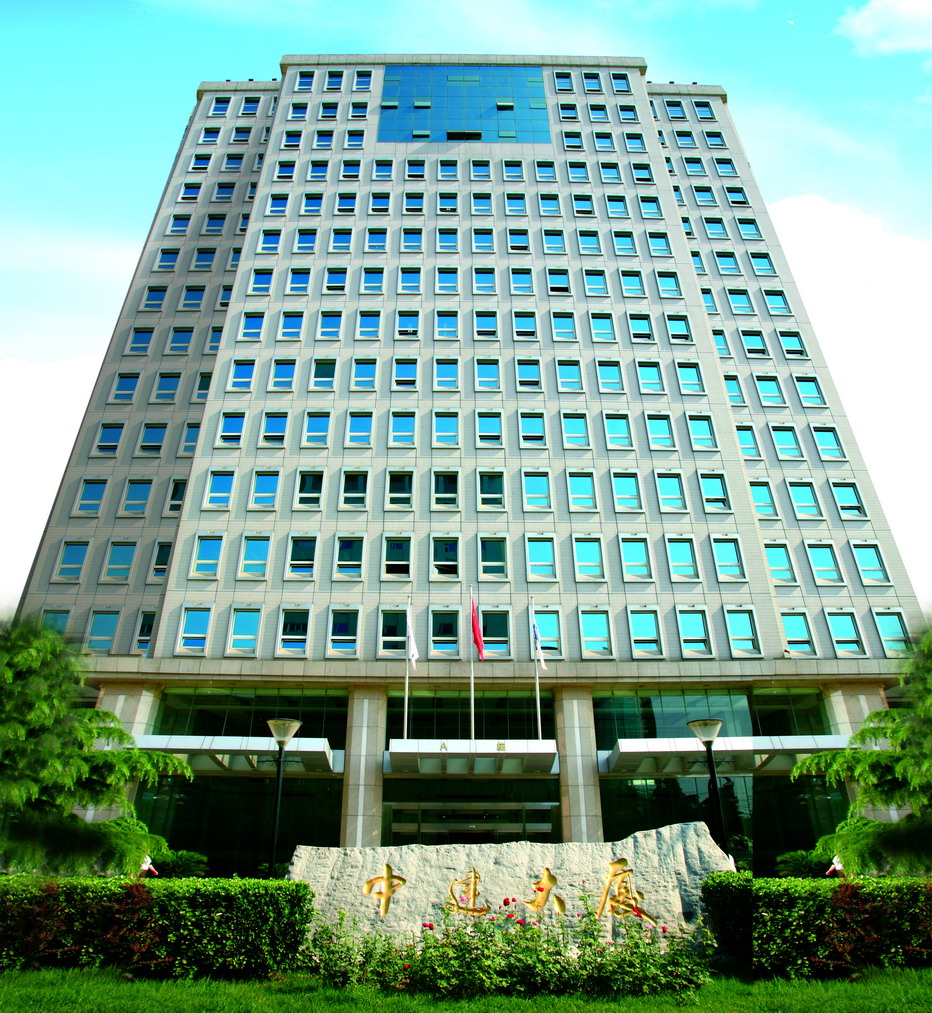
China State Construction Engineering Corporation, commonly known as CSCEC, is one of the world's largest construction and engineering groups. The company was officially established in 1982 and operates through a large corporate structure with more than 360,000 employees. In 2024, CSCEC reported approximately RMB 4.5 trillion in new contracts and RMB 2.19 trillion in revenue. It also ranked No. 14 in the Fortune Global 500 and No. 1 in ENR's Top 250 Global Contractors ranking.
CSCEC is not a pure BIM outsourcing company. It is more accurately classified as a major construction and engineering group that integrates BIM, intelligent construction and digital technologies into large-scale project delivery.
-
Core services: Construction Engineering, Infrastructure, Engineering Design, EPC, BIM, Digital Construction, Intelligent Construction, Industrialized Construction, Smart Construction
-
Key sectors: Buildings, Infrastructure, Transportation, Public Facilities, Industrial Projects, Real Estate, EPC
-
Key strength: Large-scale BIM-integrated construction and digital project delivery
-
Project evidence: CSCEC publicly reports the use of BIM, digital construction, intelligent construction, AI, big data, 3D printing and smart construction-site technologies within its broader technology strategy.
-
Verification: Official corporate website, public annual reports, listed-company information, international construction rankings and extensive project documentation. CSCEC's official contact page provides its Beijing corporate address and telephone information.
-
Website: cscec.com
-
Address: CSC Fortune International Center, Building 3, Courtyard 5, Anding Road, Chaoyang District, Beijing, China
-
Google Maps: https://maps.app.goo.gl/SSewUwGw4dAnsbuF6
2.3. Shanghai Construction Group – SCG
Shanghai Construction Group is one of China's major construction and engineering organizations, founded in 1953. Its business covers construction, design and consultancy, real estate development, urban construction investment, building materials and intelligent construction. SCG's official corporate overview reports 44,126 employees, approximately RMB 205.9 billion in operating revenue and RMB 7.841 billion in R&D investment.
SCG has developed BIM-based technologies covering digital surveying, virtual construction, digital construction sites, digital delivery, BIM-based design review, construction management, digital twins and smart operation and maintenance.
-
Core services: Construction, Design and Consultancy, BIM Coordination, Digital Construction, Virtual Construction, Digital Delivery, BIM-based Design Review, Digital Twin, Smart Operation and Maintenance
-
Key sectors: Buildings, Infrastructure, Public Facilities, Urban Development, Construction Management, Industrial Projects
-
Key strength: BIM integration across design, construction, handover and operation
-
Project evidence: Shanghai Construction Fourth Group has reported a BIM-based construction and operation platform applied to more than 600 projects, with more than 14 TB of data and over 3.5 billion structured data assets. SCG also reported that the platform reduced the time required to convert the design BIM model into a construction application for Shanghai Library East by approximately 80%.
-
Verification: Official corporate website, investor information, technical publications, project documentation and publicly reported digital-construction applications.
-
Website: scg.com.cn
-
Address: No. 666 Dongdaming Road, Huangpu District, Shanghai, China, 200080
-
Google Maps: https://maps.app.goo.gl/rmFvjSm5szyeRkwK6
2.4. East China Architectural Design & Research Institute – ECADI
East China Architectural Design & Research Institute, commonly known as ECADI, is particularly relevant when a project requires the combination of architectural design, MEP engineering, BIM and multidisciplinary coordination.
Unlike companies focused primarily on BIM software or outsourced model production, ECADI operates as a professional architectural and engineering design organization. Its official information identifies MEP system planning and consulting, regional energy planning, low-carbon building systems, intelligent building technology, MEP energy-saving design, building environment analysis and BIM implementation among its capabilities.
-
Core services: MEP System Planning, MEP Consulting, MEP Design, Energy Planning, Low-carbon Building Systems, Intelligent Building Technology, Building Environment Analysis, BIM Consulting, BIM Management, Lifecycle BIM Solutions
-
Key sectors: Commercial Buildings, High-rise Buildings, Mixed-use Developments, Complex Buildings, Energy-efficient Buildings, Industrial Facilities
-
Key strength: Integration of MEP Engineering + Architectural Design + BIM + Energy Analysis
-
Project evidence: ECADI states that its BIM practice combines Architecture, Structure and MEP technical expertise and provides BIM solutions covering design, construction, operation and maintenance.
-
Verification: Official corporate website, publicly disclosed professional services, project portfolio, technical capabilities and identifiable corporate contact information
-
Website: ecadi.com
-
Address: Shanghai Headquarters, No. 151 Hankou Road / No. 1799 Zhongshan South Road, Huangpu District, Shanghai, China
-
Contact: +86 21 63217420 / +86 21 33134530; info@ecadi.com
-
Google Maps: https://maps.app.goo.gl/FS996HqgjdQUfnyBA

2.5. Beijing Institute of Architectural Design – BIAD
Beijing Institute of Architectural Design, commonly known as BIAD, is one of China's established architectural design organizations and has increasingly integrated digital technology into its design workflow.
BIAD's digital design environment supports multidisciplinary BIM-based collaboration across architecture, structure, HVAC, plumbing, electrical engineering and cost engineering. Its AKE knowledge-engineering platform supports BIM-oriented design from conceptual and preliminary design through construction documentation and construction coordination.
-
Core services: Architectural Design, Structural Design, HVAC, Plumbing, Electrical Engineering, BIM-based Collaborative Design, BIM Project Management, Model Coordination, Design Validation, Digital Delivery
-
Key sectors: Public Buildings, Airports, Cultural Buildings, Large Complexes, Commercial Buildings, Infrastructure-related Facilities
-
Key strength: Multidisciplinary architectural BIM and digital design integrating architecture, structure and MEP disciplines
-
Project evidence: BIAD's AKE platform supports Architecture, Structure, Water Supply and Drainage, HVAC, Electrical Engineering and Cost Engineering in a coordinated BIM environment. Its LINKBIM platform supports file sharing, version management, online model/drawing coordination and issue tracking.
-
Verification: Official BIAD website, public corporate information, digital platform documentation, project portfolio and publicly documented BIM applications
-
Website: biad.com.cn
-
Address: No. 62 Nanlishi Road, Xicheng District, Beijing, China, 100045
-
Telephone: +86 10 88043999
-
Google Maps: https://maps.app.goo.gl/6S3mDyd6SorTGMCo9
2.6. China Academy of Building Design – CADG
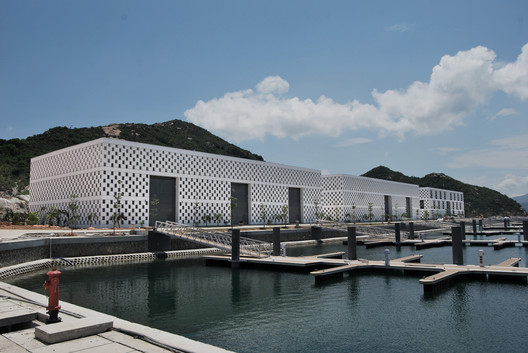
China Academy of Building Design, commonly referred to as CADG or China Architecture Design & Research Group in English-language references, is a major Chinese architectural and engineering design organization.
CADG's publicly disclosed business structure covers architectural design, urban planning, EPC, engineering consulting, intelligent system design, green building, municipal engineering, engineering cost consulting and BIM technology.
-
Core services: Architectural BIM, Digital Design, BIM-based Design, Intelligent Building Design, Engineering Consulting, Green Building, Urban Design, EPC Consulting, BIM Technology, Full-process Engineering Consulting
-
Key sectors: Public Buildings, Urban Development, Large-scale Building Projects, Green Buildings, Infrastructure, Engineering Consulting
-
Key strength: Integration of architectural design, engineering consulting, BIM technology, intelligent systems and full-process project services
-
Project evidence: CADG publicly identifies BIM technology as part of its broader one-stop and whole-process professional service framework, alongside architectural design, EPC, intelligent design and green building.
-
Verification: Official corporate website, identifiable business divisions, professional service information, project documentation and public contact information
-
Website: cadg.com.cn
-
Address: No. 19 Chegongzhuang Street, Xicheng District, Beijing, China, 100044
-
Telephone: +86 10 88328888
-
Google Maps: https://maps.app.goo.gl/VSng6BbTbPr5TEXK9

2.7. Comparison of Selected BIM Companies in China
|
Company |
Organization Type | BIM / Digital Strength | MEP Capability | Particularly Suitable For |
| Glodon | Construction technology company | BIM platforms, 5D BIM, digital construction | Strong technology/software ecosystem | BIM technology, 5D, cost management |
| CSCEC | Construction & engineering group | BIM, intelligent construction, digital delivery | Strong | EPC, infrastructure, large construction |
| Shanghai Construction Group | Construction & engineering group | BIM, digital construction, digital twin | Strong | Complex buildings, construction, O&M |
| ECADI | Architectural & engineering design institute | BIM consulting, lifecycle BIM | Very strong | MEP + Architecture + BIM |
| BIAD | Architectural design institute | Collaborative BIM, digital design | Strong | Architecture, MEP, major public buildings |
| CADG | Design & engineering organization | BIM, digital design, engineering consulting | Multidisciplinary | Architecture, engineering, BIM |
Important: this table is not a quality ranking. It compares publicly documented capabilities and organizational positioning.
3. BIM Standards and Technology in China
A professional BIM in China workflow should be evaluated against the standards and information requirements applicable to the actual project.
3.1. GB/T 51212-2016
One of China's important BIM standards is GB/T 51212-2016 – Unified Standard for Building Information Modeling.
The Ministry of Housing and Urban-Rural Development approved the standard as a national standard, with implementation beginning on July 1, 2017. The standard provides a foundation for standardized BIM application rather than simply prescribing a particular software platform.
3.2. BIM, Smart Construction and Digital Twins
China's national policy direction has increasingly connected BIM with:
-
Digital construction.
-
Smart construction.
-
IoT.
-
Big data.
-
Artificial intelligence.
-
Cloud platforms.
-
Digital twins.
-
Smart cities.
-
Lifecycle information management.
The national guidance on intelligent construction specifically identifies BIM, IoT, big data, cloud computing, AI, blockchain, and other technologies as areas for integration throughout construction.
More recent policy directions also emphasize BIM throughout design, construction, operation and maintenance, together with digital permitting, 3D review, digital handover, and integration with CIM platforms.
4. BIM Outsourcing in China: What Should International Clients Check?
BIM outsourcing is different from BIM consulting. A BIM consultant may help define the strategy, requirements, BEP, standards, and information management process. A BIM outsourcing team is more commonly responsible for production work such as:
-
Revit modeling.
-
Architectural BIM.
-
Structural BIM.
-
MEP BIM.
-
HVAC modeling.
-
Plumbing modeling.
-
Electrical modeling.
-
Clash detection.
-
Shop drawings.
-
As-built BIM.
-
Scan to BIM.
-
Quantity take-off.
-
4D/5D support.
4.1. What Should Be Included in the Scope of Work?
Before outsourcing BIM production, the client should define:
Model requirements
-
Software version.
-
LOD.
-
LOI.
-
Model units.
-
Coordinate system.
-
File naming.
-
Family requirements.
-
Model structure.
Coordination requirements
-
Federation process.
-
Clash tolerance.
-
Clash classification.
-
Coordination frequency.
-
Issue management.
-
Responsibility matrix.
Deliverables
-
Native Revit files.
-
IFC.
-
DWG.
-
PDF.
-
NWC/NWD where applicable.
-
Schedules.
-
Quantity take-offs.
-
Shop drawings.
-
As-built models.
Quality control
The contract should identify:
-
Review frequency.
-
LOD verification.
-
Geometry checking.
-
Parameter checking.
-
Clash checking.
-
File integrity.
-
Revision control.
-
Final approval procedure.
4.2. BIM Outsourcing vs BIM Consulting
|
Criteria |
BIM Consulting | BIM Outsourcing |
|
BIM Strategy |
Primary responsibility |
Usually not primary |
|
BEP |
Develop / advise |
Follow approved BEP |
|
BIM Standards |
Develop / establish |
Apply |
|
BIM Modeling |
Possible |
Core service |
|
Revit Modeling |
Supporting capability |
Core capability |
|
MEP Modeling |
Possible |
Strong fit |
|
Clash Detection |
Establish methodology |
Execute coordination |
|
Shop Drawings |
Not usually core |
Strong fit |
|
Quantity Take-off |
Methodology / consulting |
Production |
|
Scan to BIM |
Define requirements |
Modeling production |
|
4D BIM |
Planning / consulting |
Production support |
|
5D BIM |
Strategy / methodology |
Quantity and cost support |
|
Staffing |
Strategic |
Scalable |
|
Best for |
BIM system development |
Production capacity |
For many international projects, the most efficient structure can be a hybrid model: the client's BIM Manager or consultant controls the standards and information requirements, while an external BIM team handles production and coordination.
4.3. How to Choose BIM Consultants in China for an International Project
When selecting BIM consultants in China, DHA Engineering recommends evaluating five key areas: technical capability, engineering expertise, quality control, project management, and commercial transparency. These criteria help international clients determine whether a BIM provider can support not only model production but also the coordination, documentation, and delivery requirements of a complex international project.
Technical capability is the first factor to evaluate. The BIM consultant should demonstrate practical experience with software and digital workflows commonly used in international projects, including Revit, AutoCAD, Navisworks, BIM coordination platforms, IFC, OpenBIM, and Common Data Environment (CDE) workflows. For projects involving existing buildings or renovation, experience with point-cloud data can also be important, while 4D and 5D BIM capabilities may be required when the scope includes construction sequencing, scheduling, quantity take-off, or cost-related information.
Engineering capability is particularly important for MEP-intensive projects. Software proficiency alone does not demonstrate that a BIM team can coordinate technically complex building systems. The consultant should understand HVAC systems, chilled water systems, mechanical rooms, ductwork, piping, plumbing, mechanical equipment, plant rooms, and electrical coordination, as well as the interfaces between MEP and architectural elements. This engineering knowledge allows the BIM team to identify practical coordination issues rather than simply modeling components according to drawings.
Quality control should be clearly defined before BIM production begins. International clients should ask how the consultant verifies LOD compliance, model geometry, coordinates, parameters, naming conventions, clash detection results, and consistency between the BIM model and construction drawings. The provider should also have a defined review process for final deliverables so that model quality is checked before information is submitted to the client or integrated into the wider project environment.
Project management is another important consideration for international collaboration. Clients should evaluate how frequently the BIM consultant provides progress reports, how coordination meetings are organized, how quickly the team responds to comments, and how revisions are managed throughout the project. Time-zone compatibility is also relevant when working across countries, particularly when the project requires regular coordination with architects, engineers, contractors, or other consultants. For projects with tight deadlines, clients may also need to confirm whether the provider can allocate additional resources or support urgent BIM production requirements.
Commercial transparency should be reviewed before signing a BIM outsourcing agreement. The quotation should clearly define the project scope, deliverables, required LOD, project area, number of revisions, coordination responsibilities, timeline, payment milestones, NDA requirements, and intellectual-property provisions. A lower quotation does not necessarily represent a lower-risk solution. In BIM production, inadequate modeling or coordination can create additional downstream costs related to design revisions, clash resolution, fabrication, installation, and construction schedules.
DHA ENGINEERING – BIM Services for China and International Projects
DHA ENGINEERING – Official Website
For international clients looking for a flexible BIM production and engineering-support partner, DHA ENGINEERING focuses on BIM implementation, BIM outsourcing, MEP BIM, architectural BIM, and multidisciplinary coordination.
DHA's technical scope includes:
-
HVAC systems.
-
Mechanical systems.
-
Chiller systems.
-
Plant rooms.
-
MEP systems.
-
Plumbing.
-
Architecture.
-
Revit modeling.
-
AutoCAD drafting.
-
BIM coordination.
-
Shop drawings.
-
As-built BIM.
-
Clash detection.
-
BIM 4D.
-
BIM 5D.
DHA can work according to project-specific requirements established by the owner, main contractor, consultant, or BIM management team.
DHA's BIM workflow
The company's delivery approach can be structured around:
Project Requirements → BIM Standards → Modeling → Coordination → Quality Control → Revision → Final Delivery
For international projects, the workflow can be adapted to requirements involving:
-
LOD.
-
ISO 19650 principles.
-
IFC.
-
OpenBIM.
-
CDE.
-
Project-specific BIM standards.
-
Client naming conventions.
-
Coordination procedures.
DHA also emphasizes periodic progress reporting, LOD checking before handover, NDA/confidentiality arrangements, and the ability to coordinate with international clients according to their working time zones.
Why DHA can be considered for BIM outsourcing
DHA's main positioning is not to replace the client's licensed engineer, architect, or Engineer of Record where local professional responsibility is legally required. Instead, DHA can provide BIM production and engineering support within an agreed scope.
This distinction is particularly important for international projects because professional design responsibility, approval authority, engineering seals, and local regulatory compliance remain dependent on the jurisdiction and project contract.
Frequently Asked Questions About BIM Outsourcing
Can a Chinese BIM company replace the client's BIM Manager?
Usually, not completely. A BIM outsourcing provider can supply production capacity and coordination support, but the client's BIM Manager may still retain responsibility for project BIM strategy, information requirements, approvals, and contractual BIM management.
Is Revit enough for an international BIM project?
Not necessarily. Revit may be the primary modeling platform, but international projects can also require:
-
Navisworks.
-
IFC.
-
CDE.
-
BCF.
-
Coordination platforms.
-
4D scheduling.
-
5D cost workflows.
-
Information management procedures.
Should every BIM model be LOD 400 or LOD 500?
No. LOD should be defined according to the intended use, project stage, responsibility, and required deliverable. For example, a coordination model may require a different information and geometry requirement from a fabrication or installation model.
What is more important: company size or BIM engineers?
For an outsourcing project, the actual delivery team can be more important than the company's headline size. The client should verify:
-
Who will work on the project?
-
What is their MEP experience?
-
Who checks the model?
-
Who manages coordination?
-
Who reports progress?
-
Who handles revisions?
What documents should a client request before BIM outsourcing?
At minimum:
-
Company profile.
-
Relevant project portfolio.
-
Sample BIM deliverables.
-
Scope of work.
-
BIM standards.
-
LOD requirements.
-
Delivery schedule.
-
QA/QC process.
-
NDA.
-
Commercial quotation.
-
Communication and reporting procedure.
Choosing the Right BIM Partner in China
The market for BIM China services is becoming increasingly sophisticated. Major organizations such as Glodon, CSCEC, Shanghai Construction Group, ECADI, BIAD, and CADG demonstrate that China's BIM ecosystem now extends well beyond 3D modeling into digital construction, MEP engineering, lifecycle BIM, 4D/5D applications, digital twins, and intelligent building management.
However, the "best" BIM provider depends on the actual project.
For an owner or contractor, the selection should therefore consider technical capability, engineering knowledge, BIM standards, quality control, project management, communication, information security, and proven project experience rather than relying solely on company size or marketing claims.
For projects requiring scalable BIM production, MEP modeling, HVAC, chiller systems, plant-room coordination, architectural BIM, clash detection, shop drawings, or as-built BIM, DHA ENGINEERING can provide a flexible BIM outsourcing and engineering-support model for clients in Vietnam, China, the United States, the United Kingdom, Singapore, and other international markets.
The key principle remains simple: The right BIM partner is not necessarily the company with the biggest portfolio. It is the company that can consistently deliver the required model, information, coordination, quality, and schedule within the project's defined scope.
See more:
Fusion Saigon Centre - 5 Star hotel
main.comment_read_more