
BIM Vietnam: Services, Providers and Outsourcing Opportunities
- 1. What Is BIM and Why Does It Matter in Vietnam?
- 2. Common BIM Services in Vietnam
- 2.1. Architectural BIM Modeling
- 2.2. Structural BIM Modeling
- 2.3. MEP BIM Modeling
- 2.4. BIM Coordination and Clash Detection
- 2.5. BIM Consulting
- 2.6. Additional BIM Services
- 3. Selected BIM Service Providers in Vietnam
- 3.1. DHA Engineering
- 3.2. ViBIM
- 3.3. Harmony AT
- 3.4. VIEBIM
- 3.5. Sweco Vietnam
- 3.6. RevitTech
- 3.7. Digital Twin
- 3.8. BIMV
- 4. BIM Trends and Outsourcing Opportunities in Vietnam
- 4.1. BIM Is More Than 3D Modeling
- 4.2. OpenBIM and Interoperability
- 4.3. Growing Need for Flexible BIM Capacity
- 4.4. Coordination and Construction Documentation
- 4.5. International Collaboration and Digital Delivery
- 5. BIM Outsourcing in Vietnam: Services and Working Models
- 5.1. What Is BIM Outsourcing?
- 5.2. Typical BIM Outsourcing Deliverables
- 5.3. BIM Outsourcing vs. BIM Consulting
- 6. How to Choose a BIM Service Provider in Vietnam
- 6.1. Verify Company Information and Relevant Experience
- 6.2. Confirm Technical Capability and Scope
- 6.3. Define BIM Standards and Information Requirements
- 6.4. Evaluate QA/QC and Coordination Procedures
- 6.5. Review Data Security and Confidentiality
- 6.6. Assess Communication and Time-Zone Coordination
- 6.7. Compare Cost and Commercial Terms
- 6.8. Start with a Defined Pilot or Sample Task
- 7. DHA Engineering – BIM Services and BIM Outsourcing
- 7.1. Published BIM and Engineering Services
- 7.2. Project Sectors and Published References
- 7.3. How DHA May Support International AEC Companies
- 7.4. What to Confirm Before Working with DHA Engineering
- 7.5. Contact DHA Engineering
- 8. FAQ: BIM Vietnam and BIM Outsourcing
- 8.1. What BIM services are available in Vietnam?
- 8.2. Why do international companies outsource BIM to Vietnam?
- 8.3. How much does BIM outsourcing in Vietnam cost?
- 8.4. How can I choose a reliable BIM service provider in Vietnam?
- 8.5. Is Revit enough for BIM outsourcing?
- 8.6. What is the difference between BIM modeling and BIM coordination?
- 8.7. What is the difference between BIM consulting and BIM outsourcing?
- 8.8. Can a BIM outsourcing provider take responsibility for engineering design?
- 8.9. What information should I send when requesting a BIM quotation?
- 8.10. How should international clients manage communication with a Vietnam-based BIM team?
- See more:
- DHA Vietnam Engineering Co., Ltd.
BIM Vietnam is a relevant search topic for international architecture, engineering and construction (AEC) companies looking to understand the country's Building Information Modeling capabilities, identify BIM service providers and evaluate outsourcing partners. Vietnamese companies offer a range of services, from architectural and structural modeling to MEP coordination, clash detection, construction documentation and BIM consulting.
1. What Is BIM and Why Does It Matter in Vietnam?
Building Information Modeling (BIM) is a process for creating and managing structured digital information about a built asset. It combines geometric models with relevant information that can support design, engineering, construction, coordination, handover and facility management.
BIM should not be treated as simply producing a three-dimensional model. Its value depends on how project information is created, checked, shared, coordinated and delivered throughout the asset lifecycle. The ISO 19650 series provides an internationally recognized framework for managing information using BIM.
1.1. The Development of BIM in Vietnam
Vietnam's public-sector BIM roadmap is an important reference for understanding the country's BIM implementation environment. Decision No. 258/QĐ-TTg, dated 17 March 2023, approved a roadmap for applying BIM in construction activities. The roadmap sets out implementation stages for specified construction projects, including projects using public investment, state capital outside public investment and public-private partnership funding.
The decision establishes a policy direction for BIM adoption; it should not be interpreted as meaning that every construction project in Vietnam is subject to identical BIM requirements. Applicability depends on the project category, funding arrangements, implementation stage and relevant regulations.
For international companies, Vietnam may serve two distinct roles:
-
BIM implementation market: Project owners, consultants and contractors use BIM to support project delivery and information management.
-
BIM outsourcing destination: Overseas AEC firms engage Vietnamese teams to provide modeling, coordination and documentation capacity under an agreed scope.
These arrangements have different requirements. A project implementing BIM locally may need assistance with strategy, standards and internal workflows, while an international outsourcing engagement may focus on delivering specific models and documents to a client's existing standards.
1.2. The Role of BIM Across the AEC Industry
BIM can support several project stages:
-
Design: Develop and coordinate architectural, structural and building-services models.
-
Engineering: Represent building systems and support discipline-specific analysis or design workflows.
-
Construction: Coordinate installation space, identify model conflicts and prepare construction-related documentation.
-
Handover: Deliver verified as-built models and agreed asset information.
-
Operations: Support facility-management workflows when the model contains the information required by the asset owner.
The appropriate BIM scope depends on the intended use of the model. A model developed for design coordination may not contain the geometry, fabrication information or asset data needed for construction installation or facility management.
2. Common BIM Services in Vietnam
BIM providers in Vietnam offer different combinations of modeling, coordination, engineering support and consulting. Clients should identify the required deliverables before selecting a company.
2.1. Architectural BIM Modeling
Architectural BIM modeling converts architectural drawings, design information or other approved references into a coordinated digital building model.
Typical deliverables may include:
-
Architectural Revit models.
-
Building layouts, walls, doors, windows, ceilings and other architectural elements.
-
Model-based plans, elevations and sections.
-
Architectural documentation and model updates.
-
Architectural models prepared for multidisciplinary coordination.
The required model detail and information should be agreed at the beginning of the project. Clients should also define whether the provider is responsible only for modeling or is expected to support architectural design decisions.
2.2. Structural BIM Modeling
Structural BIM modeling represents the building's structural elements and their relationships with other disciplines.
Common scope items include:
-
Foundations and substructures.
-
Columns, beams, slabs and structural walls.
-
Structural framing and steel elements, where included in the scope.
-
Structural Revit models based on approved drawings or design information.
-
Coordination with architectural and MEP models.
A structural BIM model does not automatically constitute a structural engineering design or an approved construction document. Design responsibility and technical approval must remain with the professionals appointed under the project contract and applicable regulations.
2.3. MEP BIM Modeling
MEP BIM modeling covers mechanical, electrical and plumbing systems. Some providers also describe their service scope as MEPF, which includes fire protection.
Typical modeling work may cover:
-
Mechanical and HVAC: Ductwork, air terminals, equipment, piping and plant-room layouts.
-
Plumbing: Domestic water, sanitary drainage, stormwater and related systems.
-
Electrical: Cable trays, conduits, equipment and electrical containment.
-
Fire protection: Sprinkler systems, pipework and related components where included.
-
Technical rooms: Equipment arrangement, access space and coordination with building elements.
MEP modeling is particularly dependent on the available installation space, system routing, equipment clearances and interfaces with architecture and structure. The provider's experience with real building-services systems should therefore be assessed alongside its software capability.
2.4. BIM Coordination and Clash Detection
BIM coordination combines discipline models to review interfaces and identify potential conflicts. Clash detection is one part of this process.
Typical activities include:
-
Federating architectural, structural and MEP models.
-
Checking geometric conflicts and selected clearance requirements.
-
Recording and classifying coordination issues.
-
Assigning issues to responsible disciplines.
-
Updating models after review.
-
Preparing coordination reports and tracking issue resolution.
A clash report does not, by itself, confirm that every issue has been resolved or that the design complies with all applicable codes. Clients should establish review criteria, issue ownership, approval procedures and model-update responsibilities.
2.5. BIM Consulting
BIM consulting focuses on planning and managing how BIM is implemented across a project or organization. Depending on the provider, this may include:
-
BIM strategy and implementation planning.
-
BIM Execution Plan (BEP) support.
-
Project information requirements and responsibility matrices.
-
Modeling standards, naming conventions and model exchange procedures.
-
Common Data Environment (CDE) workflows.
-
Quality assurance and quality control (QA/QC).
-
Coordination procedures and digital handover planning.
ISO 19650 is a useful reference for information management, but the project's contract, client requirements and applicable local standards determine the specific deliverables and procedures.
2.6. Additional BIM Services
Other services that may be available from selected providers include:
-
Scan-to-BIM and point-cloud-to-Revit modeling.
-
As-built BIM and record-model development.
-
Shop drawings and construction documentation.
-
Quantity take-off.
-
4D scheduling or 5D cost-related support.
-
BIM training and implementation support.
-
Digital twin and facility-management information workflows.
These services should not be assumed to be included in every provider's standard package. Confirm the scope directly with the company.
3. Selected BIM Service Providers in Vietnam
The following shortlist includes companies whose websites publicly describe BIM-related services. It is not a definitive ranking of quality, market share or project performance. Service availability, current staffing, delivery capacity and suitability for a specific project should be confirmed directly with each provider.
3.1. DHA Engineering
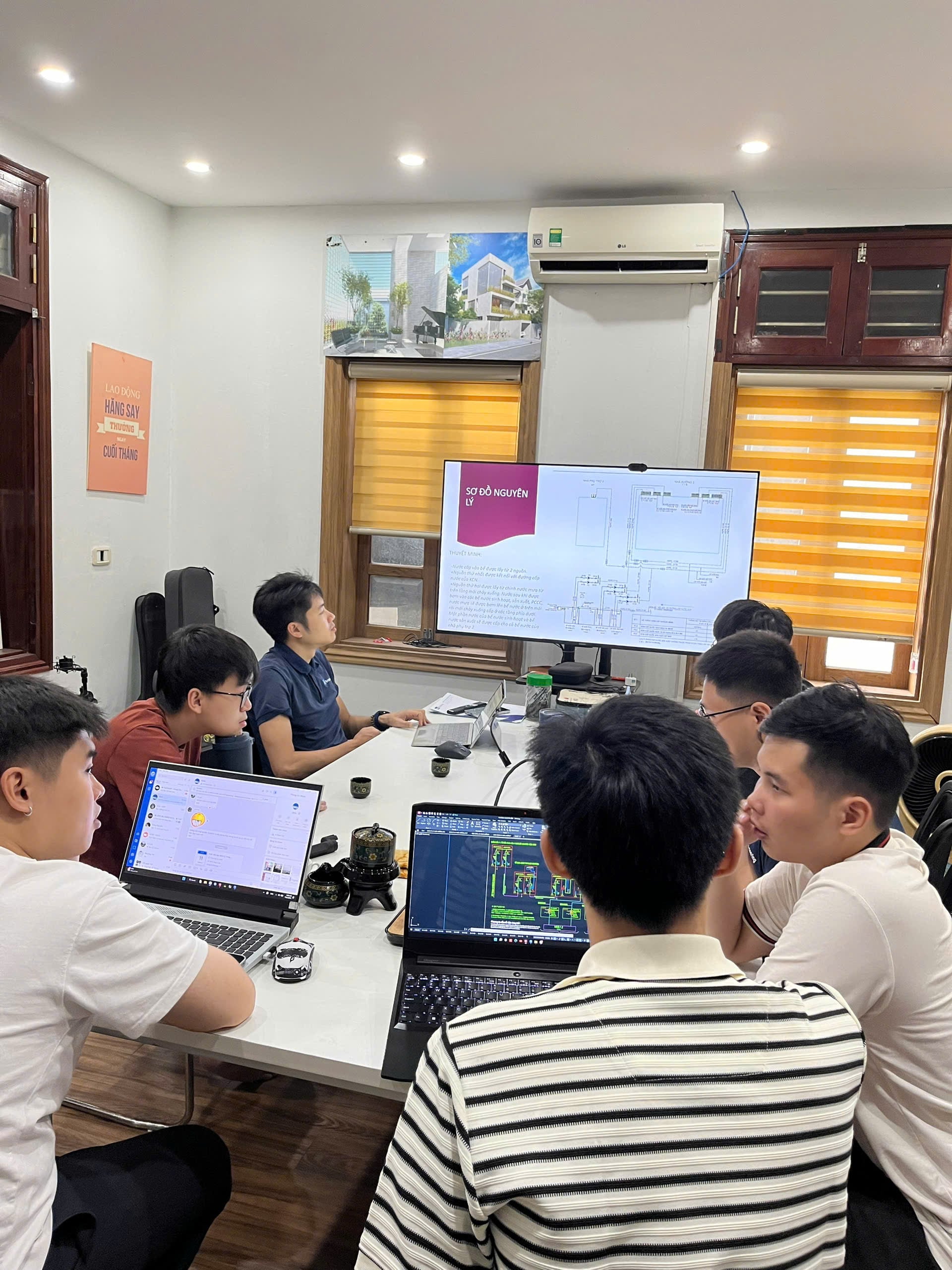
DHA Engineering Vietnam Co., Ltd. is a Vietnam-based BIM consulting and MEPF engineering provider serving building projects. Its published services cover BIM modeling, MEP coordination, clash detection and technical documentation. The company also publishes project information on its official website, including references to Cooler Master Vietnam and Doji Landmark Hotel.
-
Core services: BIM Modeling, MEP BIM, HVAC Modeling, BIM Coordination, Clash Detection, Shop Drawings, As-Built BIM and MEPF Engineering Support
-
Key sectors: Residential, Commercial, Hospitality, Healthcare, Industrial and Manufacturing
-
Key strength: Focus on MEPF-related BIM production and multidisciplinary coordination
-
Verification: The company's official website publishes company information, service descriptions and project references. Specific project scopes and deliverables should be verified against the relevant project pages. Projects
-
Website: DHA Engineering
-
Technology: Autodesk Revit, Navisworks and Dalux, as identified in its published materials
3.2. ViBIM
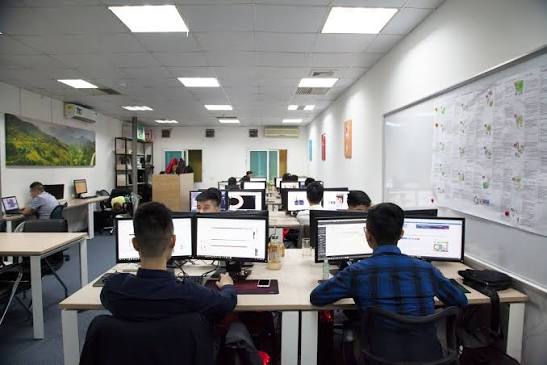
ViBIM is a Vietnam-based BIM service provider specializing in Scan-to-BIM and point-cloud-to-Revit workflows. Its published service portfolio also includes architectural, structural and MEP modeling, topography modeling, as-built models and drawing production. These services make the company relevant to projects involving existing buildings, renovation and reality-capture data. Company Information
-
Core services: Scan-to-BIM, Revit Modeling, Architectural BIM, Structural BIM, MEP BIM, Topography Modeling and As-Built Documentation
-
Key sectors: Existing Buildings, Infrastructure, Renovation and Building Projects, subject to the company's project scope
-
Key strength: Point-cloud-to-Revit modeling and BIM deliverables for existing assets
-
Verification: The company's official website describes its BIM services and Scan-to-BIM capabilities. Official Website
-
Website: ViBIM
3.3. Harmony AT
Harmony AT is an engineering and technology service provider whose published portfolio includes BIM/CIM modeling, MEP modeling, BIM coordination, 2D drafting, simulation and visualization. The company also describes technology-related capabilities such as AEC applications, automation and BIM data integration, positioning its services across both technical production and digital engineering workflows. Company Information
-
Core services: BIM/CIM Modeling, MEP Modeling, BIM Coordination, 2D Drafting, Simulation and Visualization
-
Key sectors: Architecture, Engineering and Construction, based on its published service portfolio
-
Key strength: Combination of BIM production, engineering support and technology-oriented solutions
-
Verification: The company's official website presents its engineering, BIM and technology services. Official Website
-
Website: Harmony AT

3.4. VIEBIM
VIEBIM provides BIM-related services covering implementation, consulting, training, multidisciplinary modeling, coordination, shop drawings and as-built documentation. Its published materials also discuss workflows referencing ISO 19650 and Revit MEP automation. The company may be relevant to organizations seeking both project delivery support and assistance with developing internal BIM processes. Company Information
-
Core services: BIM Consulting, BIM Implementation, Multidisciplinary BIM Modeling, Coordination, Clash Detection, Shop Drawings, As-Built BIM and BIM Training
-
Key sectors: Construction and AEC projects, according to its published service descriptions
-
Key strength: Combination of BIM project services, implementation support and professional training
-
Verification: The company's official website describes its BIM services, training and related technical capabilities. Official Website
-
Website: VIEBIM
3.5. Sweco Vietnam
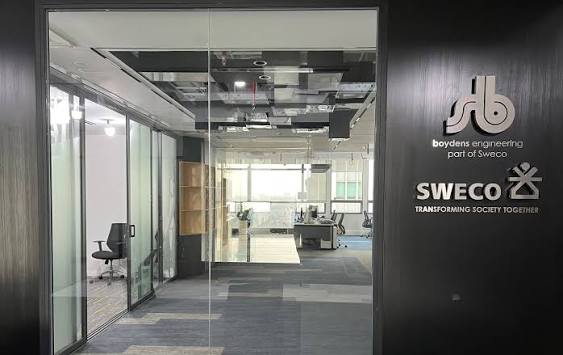
Sweco Vietnam's BIM service information, published through the Boydens Vietnam website, covers Scan-to-BIM, digital twin creation, as-built drawings, Revit model development, MEPF calculation models, BIM coordination and advisory services. This service profile connects BIM production with engineering calculations, simulation and asset-related applications. BIM Services
-
Core services: Scan-to-BIM, As-Built Models and Drawings, Revit Modeling, MEPF Calculation Models, BIM Coordination and Advisory Services
-
Key sectors: Building engineering and related applications described in its published service portfolio
-
Key strength: Integration of BIM deliverables with engineering calculations, simulation and digital asset workflows
-
Verification: The Boydens Vietnam website publishes the relevant BIM service descriptions and identifies its relationship with Sweco. Official BIM Services
-
Website: Sweco Vietnam BIM Services
3.6. RevitTech
RevitTech provides BIM outsourcing services covering architectural, structural and MEPF modeling, BIM coordination and clash detection. Its published outsourcing information also describes project-related deliverables such as Revit models, coordination outputs and drawing packages. The company is relevant to AEC firms seeking external support for multidisciplinary BIM production. Company Information
-
Core services: Architectural BIM, Structural BIM, MEPF Modeling, BIM Coordination and Clash Detection
-
Key sectors: Building design and construction projects, as described in its outsourcing portfolio
-
Key strength: Project-based BIM outsourcing across architectural, structural and building-services disciplines
-
Verification: The company's official outsourcing page describes its services and related project deliverables. BIM Outsourcing
-
Website: RevitTech
3.7. Digital Twin
Digital Twin describes its offering as a combination of BIM solutions, software implementation, technical training, BIM consulting and project information management through a Common Data Environment (CDE). Its published information also refers to collaboration between Vietnamese engineering staff and international BIM specialists. The company may be relevant to clients seeking support with BIM implementation and information-management workflows. Company Information
-
Core services: BIM Consulting, BIM Implementation, CDE-Based Information Management, Software Implementation and Technical Training
-
Key sectors: Construction and AEC project environments, based on its published services
-
Key strength: Focus on BIM processes, project information management and technology implementation in addition to model production
-
Verification: The company's official website describes its BIM-related solutions, consulting and training services. Official Website
-
Website: Digital Twin
3.8. BIMV
BIMV presents BIM-enabled design, planning and construction-related services through its official website. Its public profile emphasizes integrated design and the use of digital tools in building and urban-development projects. The company's exact service scope and project experience should be reviewed against the requirements of each proposed engagement. Company Information
-
Core services: BIM-Related Design and Planning Services, as described on its official website
-
Key sectors: Building and Urban-Planning Applications, based on its published company profile
-
Key strength: Integration of BIM with design and planning-related project workflows
-
Verification: The company's official website publishes information about its services and selected projects.
-
Website: BIMV

4. BIM Trends and Outsourcing Opportunities in Vietnam
4.1. BIM Is More Than 3D Modeling
International BIM practice increasingly emphasizes structured information management, defined responsibilities, controlled information exchange and quality assurance. ISO 19650-1 sets out concepts and principles for information management using BIM across the lifecycle of built assets.
For clients outsourcing BIM work to Vietnam, this means a capable provider should understand project standards and information requirements as well as the modeling software. Relevant questions include how the provider handles revisions, naming conventions, shared coordinates, approvals, model exchange and final handover.
4.2. OpenBIM and Interoperability
International projects may involve different authoring tools, coordination platforms and asset-management systems. Open standards can help teams exchange structured model information across software environments.
buildingSMART identifies Industry Foundation Classes (IFC) as an open, vendor-neutral standard for describing built assets. The official IFC 4.3 release is published as ISO 16739-1:2024.
Clients should specify whether native authoring files, IFC exports or other exchange formats are required. They should also agree on how exported models will be validated and how information loss or incompatibility will be handled.
4.3. Growing Need for Flexible BIM Capacity
BIM outsourcing can give AEC companies access to additional production resources without requiring them to maintain the same internal staffing level for every project phase. This can be useful when workloads fluctuate, deadlines overlap or specialist modeling support is needed.
However, outsourcing does not remove the need for project management, technical review or clear design responsibility. The client must still establish the deliverables, acceptance criteria, review schedule and approval process.
4.4. Coordination and Construction Documentation
For MEP-intensive buildings, modeling and coordination need to account for service routes, ceiling spaces, shafts, plant rooms, equipment access and interfaces with structure and architecture.
An outsourcing partner may help prepare coordinated models, identify potential conflicts and update documentation after review. The practical value depends on the quality of the input information, the clarity of the coordination process and the speed at which responsible project participants resolve issues.
4.5. International Collaboration and Digital Delivery
Working with a Vietnam-based BIM provider requires a defined communication structure. Clients should agree on meeting frequency, reporting templates, issue-tracking procedures, file-transfer methods, working hours and escalation routes.
The time-zone difference can create useful overlap with some markets, but it may also delay decisions if the teams rely on real-time communication. A documented asynchronous workflow—using issue logs, model comments, revision registers and clear approval deadlines—can reduce avoidable delays.
5. BIM Outsourcing in Vietnam: Services and Working Models
5.1. What Is BIM Outsourcing?
BIM outsourcing means assigning a defined part of a BIM workflow to an external provider. Depending on the agreement, the provider may produce models, coordinate disciplines, prepare drawings or support information-management tasks.
A typical workflow may look like this:
Client requirements → Scope and standards confirmation → Model production → Internal QA/QC → Coordination and issue reporting → Client review → Revisions → Final delivery
The outsourced team works within the agreed scope. It should not automatically assume responsibility for design decisions, code compliance or professional engineering approvals assigned to the client's architect, engineer or other appointed professional.
5.2. Typical BIM Outsourcing Deliverables
Common deliverables include:
-
Architectural Revit models.
-
Structural BIM models.
-
MEP and MEPF models.
-
HVAC and plumbing models.
-
Electrical and fire-protection models, where included.
-
Federated coordination models.
-
Clash detection reports and issue logs.
-
Shop drawings and installation-related documentation.
-
As-built BIM models.
-
Scan-to-BIM models from supplied point-cloud data.
-
Quantity take-off or 4D/5D support, where specifically agreed.
Not every provider offers all these services. The scope should state which files, views, schedules, reports and supporting documents will be delivered, along with the required file formats and acceptance criteria.
5.3. BIM Outsourcing vs. BIM Consulting
BIM consulting and BIM outsourcing can overlap, but they serve different primary purposes.
|
Area |
BIM consulting |
BIM outsourcing |
|
Main purpose |
Define strategy, requirements, processes and governance |
Deliver agreed technical production work |
|
Typical activities |
BIM planning, BEP support, information requirements, CDE workflows and standards |
Revit modeling, model updates, clash detection, coordination and documentation |
|
Main outputs |
Plans, standards, procedures and implementation recommendations |
Models, drawings, reports and other contracted deliverables |
|
Client responsibility |
Approve organizational and project decisions |
Supply requirements, review outputs and retain assigned design responsibilities |
Some providers offer both services. Clients should clarify whether they need advice on establishing a BIM process, production capacity to execute an existing process, or a combination of the two.
6. How to Choose a BIM Service Provider in Vietnam
Selecting a BIM outsourcing partner should be based on evidence and project fit. The following criteria can help international clients evaluate potential suppliers.
6.1. Verify Company Information and Relevant Experience
Check the provider's legal name, business contact details, operating location and official website. Review its published project portfolio, but distinguish between a general project reference and evidence that the company delivered the specific BIM scope required.
Ask for examples relevant to the project's building type and discipline. For MEP work, useful references may include HVAC systems, plant rooms, plumbing, fire protection, electrical containment and multidisciplinary coordination.
6.2. Confirm Technical Capability and Scope
Before appointment, establish:
-
Which disciplines the provider can support.
-
Which software versions and file formats it can use.
-
Whether it can work with the client's Revit templates and modeling standards.
-
What level of model detail and information is required.
-
Whether clash detection, issue reporting and shop drawings are included.
-
Who is responsible for design decisions and technical approval.
-
What assumptions and exclusions apply.
Avoid relying on a general claim of “BIM capability” without checking the team's experience against the project's actual systems and deliverables.
6.3. Define BIM Standards and Information Requirements
The project should establish the required information, naming conventions, model breakdown, coordinates, revision rules, exchange formats and approval process before production begins.
ISO 19650 may provide a useful information-management reference, while IFC may be relevant when open model exchange is required. The client should specify which standards apply rather than assuming that every provider follows the same workflow by default.
6.4. Evaluate QA/QC and Coordination Procedures
Ask how the provider checks its work before submission. A practical process may include:
-
Review of source drawings and project requirements.
-
Setup of the model and project standards.
-
Discipline-specific modeling.
-
Internal model checks and QA/QC.
-
Multidisciplinary coordination and clash review, if included.
-
Client review and issue resolution.
-
Revision tracking and final validation.
-
Delivery of agreed files and reports.
Confirm who performs each review, how issues are recorded, how revisions are controlled and what evidence accompanies final delivery.
6.5. Review Data Security and Confidentiality
BIM projects may contain proprietary design information, building layouts, equipment details and other sensitive project data. International clients should evaluate:
-
Non-disclosure agreements and contractual confidentiality terms.
-
Access controls and user permissions.
-
Approved file-transfer and collaboration platforms.
-
Storage location, retention and deletion policies.
-
Subcontractor access and disclosure controls.
-
Incident reporting and business-continuity procedures.
The provider's answers should be assessed against the client's own security policies and contractual obligations. Do not assume a particular security certification or compliance status unless it has been verified.
6.6. Assess Communication and Time-Zone Coordination
A reliable workflow requires a clear point of contact and predictable reporting. Agree on:
-
Project manager and technical leads.
-
Meeting schedule and expected response times.
-
Issue-tracking and decision logs.
-
Milestones and review periods.
-
Escalation procedures for technical blockers.
-
Language and documentation requirements.
Time-zone differences can be managed through planned overlap hours and structured asynchronous communication. The key is to define when the provider needs client input and how long the client has to review each submission.
6.7. Compare Cost and Commercial Terms
BIM outsourcing prices depend on the project's scope and delivery requirements. Relevant factors include:
-
Building size and model complexity.
-
Number of disciplines and systems.
-
Quality and completeness of source drawings.
-
Required level of model detail and information.
-
Coordination and documentation requirements.
-
Software, exchange formats and project standards.
-
Delivery deadlines and revision cycles.
-
Reporting, meetings and support expectations.
A low initial quote may not include coordination, revisions, shop drawings or the required information handover. Compare proposals against the same scope and deliverable list rather than comparing headline prices alone.
6.8. Start with a Defined Pilot or Sample Task
Where appropriate, begin with a small, representative task before committing to a larger outsourcing arrangement. Use it to assess modeling quality, adherence to standards, communication, issue handling and the provider's ability to follow the agreed workflow.
A pilot should have clear acceptance criteria, an agreed fee or commercial arrangement, a defined deadline and confidentiality provisions. It should not be treated as proof that every future project will achieve the same results.
7. DHA Engineering – BIM Services and BIM Outsourcing
DHA Engineering Vietnam Co., Ltd. presents itself as a BIM consulting and MEPF engineering provider. Its website describes BIM modeling, coordination and technical-documentation services and publishes examples of work across building and industrial projects. The suitability of DHA for a particular project should be assessed against the confirmed scope, required deliverables and contractual responsibilities.
7.1. Published BIM and Engineering Services
Based on DHA Engineering's published service descriptions, relevant offerings include:
-
BIM modeling: Model production for building projects in accordance with the agreed scope.
-
MEP and MEPF modeling support: Modeling and coordination related to mechanical, electrical, plumbing and fire-protection systems where included in the project scope.
-
HVAC and mechanical BIM: Modeling support for building-services systems and related equipment.
-
BIM coordination and clash detection: Coordination support for reviewing interfaces between models and identifying potential conflicts.
-
Shop drawings and technical documentation: Preparation of agreed construction-related drawings and documentation.
-
As-built BIM: Development or updating of models to reflect verified project information, subject to the available records and agreed verification process.
-
BIM consulting and implementation support: Assistance with project workflows and BIM requirements where covered by the engagement.
DHA identifies Autodesk Revit, Navisworks and Dalux among its technology tools. Software availability does not by itself establish that every tool or workflow is included in every contract; clients should confirm the proposed project setup directly with the company.
7.2. Project Sectors and Published References
DHA's website identifies residential, commercial, hospitality, healthcare, industrial and manufacturing work among its project areas. Its public portfolio includes references such as Cooler Master Vietnam and Doji Landmark Hotel. The exact services, model scope and deliverables should be checked against the individual project descriptions rather than inferred from the project name alone.
For prospective clients, the next step is to request project references that closely match their own requirements—for example, MEP coordination in an industrial facility, HVAC modeling for a commercial building, or shop drawings for a construction package.
7.3. How DHA May Support International AEC Companies
A Vietnam-based BIM partner such as DHA may help international firms supplement their internal production capacity during peak workloads, support model coordination and prepare agreed technical deliverables.
Potential benefits depend on the project and the working arrangement:
-
Additional modeling capacity without requiring every production task to be completed by the client's in-house team.
-
Support for MEP-related modeling and coordination tasks.
-
A defined production workflow aligned with the client's project standards.
-
Flexible allocation of work according to milestones and agreed deliverables.
-
Support for documentation and model updates under the client's review and approval process.
These are potential benefits of the outsourcing model, not guarantees of a particular cost saving, schedule improvement or project outcome. Results depend on input quality, scope definition, coordination responsibilities, review turnaround and contract management.
7.4. What to Confirm Before Working with DHA Engineering
Before appointing DHA, international clients should confirm:
-
Project-specific scope, disciplines and exclusions.
-
Required LOD or level of information need, as applicable.
-
Native and exchange file formats.
-
Modeling standards, templates and coordinates.
-
Coordination responsibilities and clash-reporting requirements.
-
QA/QC, review cycles and revision limits.
-
Data security, confidentiality and file-transfer procedures.
-
Team availability, communication arrangements and delivery milestones.
-
Responsibility for design decisions, statutory compliance and professional approvals.
For engineering work that requires regulated professional responsibility in a particular jurisdiction, clients should separately verify the qualifications and appointments required under that jurisdiction's rules. BIM modeling or coordination support should not be assumed to replace the appointed design professional.
7.5. Contact DHA Engineering
International contractors, engineering consultants and AEC companies considering BIM outsourcing can contact DHA Engineering to discuss project requirements, available services and delivery arrangements.
Website: https://dha-engineering.com/
Contact: Use the contact details and inquiry channels published on DHA Engineering's official website.
A useful initial inquiry should describe the project type, disciplines, available drawings, required model detail, deliverable formats, coordination needs, target dates and relevant project standards. This allows the provider to assess the requested scope and prepare a proposal for discussion.
8. FAQ: BIM Vietnam and BIM Outsourcing
8.1. What BIM services are available in Vietnam?
Publicly advertised services include architectural BIM, structural BIM, MEP modeling, BIM coordination, clash detection, Scan-to-BIM, as-built modeling, shop drawings and BIM consulting. The exact scope varies by provider, so clients should verify individual service offerings before appointment.
8.2. Why do international companies outsource BIM to Vietnam?
Companies may outsource BIM to supplement internal modeling capacity, handle workload peaks, access discipline-specific production support or deliver agreed project documentation. The benefits depend on the provider's technical fit, communication, quality controls and commercial terms.
8.3. How much does BIM outsourcing in Vietnam cost?
There is no single price that applies to all projects. Costs depend on the number of disciplines, model complexity, available source information, required level of detail, coordination scope, documentation, schedule and revision requirements. Request comparable quotations based on a common scope and deliverable list rather than relying on an unverified market-wide rate.
8.4. How can I choose a reliable BIM service provider in Vietnam?
Review relevant project experience, technical capability, QA/QC procedures, BIM standards, communication, data security, revision policy and delivery capacity. Ask for references and confirm who retains design responsibility and who approves the final deliverables.
8.5. Is Revit enough for BIM outsourcing?
No. Revit is a modeling platform, but a dependable BIM delivery process also requires project requirements, modeling standards, coordination procedures, QA/QC, revision control and agreed information handover. Other tools or open exchange formats may be required depending on the project.
8.6. What is the difference between BIM modeling and BIM coordination?
BIM modeling produces or updates discipline models. BIM coordination reviews how the models interact, identifies potential conflicts and helps project participants manage issues. The two activities can be contracted together or separately.
8.7. What is the difference between BIM consulting and BIM outsourcing?
BIM consulting typically focuses on strategy, standards, implementation planning and information-management workflows. BIM outsourcing generally focuses on executing agreed technical tasks such as modeling, clash detection, coordination and documentation. Some companies offer both.
8.8. Can a BIM outsourcing provider take responsibility for engineering design?
Not automatically. Design responsibility depends on the contract, project arrangements and applicable professional regulations. Clients should distinguish between modeling or coordination support and engineering services that require a qualified, appointed or licensed professional.
8.9. What information should I send when requesting a BIM quotation?
Provide the project type, drawings or reference models, disciplines, required model detail, software and file-format requirements, coordination scope, expected deliverables, deadline and applicable standards. Also explain the review process, required reporting and any data-security conditions.
8.10. How should international clients manage communication with a Vietnam-based BIM team?
Appoint clear project contacts, agree on overlap hours, establish reporting and issue-tracking procedures, define review deadlines and document decisions. A structured workflow can help teams manage time-zone differences and reduce uncertainty during model production and coordination.
See more:
BIM – An Optimized Design Solution for Gem Park Haiphong Project
main.comment_read_more