Remote BIM Jobs: Career Opportunities, Skills, and How to Work from Home
- 1. What Are Remote BIM Jobs?
- 2. Common Types of Remote BIM Jobs
- 2.1. BIM Modeler Remote Jobs
- 2.2. BIM Architect Remote Jobs
- 2.3. Revit MEP Work-from-Home Jobs
- 2.4. BIM Coordinator Remote Jobs
- 2.5. BIM Engineer Remote Jobs
- 2.6. Comparing Remote BIM Roles
- 3. Skills and Qualifications Required for Remote BIM Jobs
- 3.1. BIM Software and Digital Tools
- 3.2. Construction Drawing Interpretation
- 3.3. Understanding BIM Standards and Information Requirements
- 3.4. Multidisciplinary Coordination and Clash Detection
- 3.5. Communication and Independent Work
- 4. Experience and Portfolio Expectations
- 4.1. Entry-Level Candidates
- 4.2. Mid-Level BIM Professionals
- 4.3. Senior BIM Coordinators and Engineers
- 4.4. How to Prepare a Remote BIM Portfolio
- 5. How to Apply for Remote BIM Jobs Successfully
- 5.1. Tailor Your CV to the Job Description
- 5.2. Demonstrate Deliverables, Not Just Software Knowledge
- 5.3. Prepare for Technical Interviews
- 5.4. Follow Up Professionally
- 6. What to Check Before Accepting a Remote BIM Job
- 6.1. Time Zones and Working Hours
- 6.2. Language and Communication
- 6.3. Employment Contract and Payment Terms
- 6.4. Salary and Compensation
- 6.5. Software, Hardware, and Data Security
- 6.6. Verify the Employer and Avoid Recruitment Scams
- 7. Remote BIM Employment vs. BIM Outsourcing
- 7.1. Key Differences
- 7.2. When Should a Company Hire a Remote BIM Professional?
- 7.3. When Should a Company Consider BIM Outsourcing?
- 8. DHA Engineering – BIM Outsourcing Services
- 8.1. BIM Modeling and Revit Services
- 8.2. MEP Coordination and Clash Detection
- 8.3. MEP Engineering Support and Technical Documentation
- 8.4. Remote BIM Employment vs. Partnering with DHA Engineering
- 8.5. Discuss Your BIM Outsourcing Requirements with DHA Engineering
- 9. FAQ: Remote BIM Jobs
- 9.1. What Are Remote BIM Jobs?
- 9.2. How Can I Find BIM Remote Jobs?
- 9.3. Are There Remote BIM Modeler Jobs for Beginners?
- 9.4. What Skills Are Required for BIM Modeler Remote Jobs?
- 9.5. Are BIM Architect Remote Jobs Different from Architectural BIM Modeling Jobs?
- 9.6. Can I Do Revit MEP Work from Home?
- 9.7. Do Remote BIM Jobs Require Navisworks?
- 9.8. Can I Work Remotely for an International BIM Company from Another Country?
- 9.9. Are Remote BIM Jobs Usually Full-Time or Freelance?
- 9.10. What Is the Difference Between a Remote BIM Job and BIM Outsourcing?
- 9.11. How Can I Avoid Fake Remote BIM Job Offers?
- 9.12. Can Companies Hire DHA Engineering for Remote BIM Work?
- See more:
- DHA Vietnam Engineering Co., Ltd.
Remote BIM jobs are becoming an important career option for architects, engineers, and construction professionals who want to contribute to building projects without working permanently from a traditional office. With Building Information Modeling (BIM) supporting digital design, engineering coordination, and construction documentation, many technical tasks can be performed remotely when project requirements, software access, and communication processes are properly established.
1. What Are Remote BIM Jobs?
Remote BIM jobs are positions that allow professionals to perform some or all of their Building Information Modeling responsibilities outside a conventional office. Depending on the employer and project, work may be completed entirely from home, through a distributed project team, or under a hybrid arrangement.
BIM professionals use digital models to represent building geometry, technical systems, materials, and project information. Their responsibilities may include creating 3D models, producing construction documentation, checking model accuracy, coordinating architectural and engineering disciplines, and supporting construction planning.
Unlike many traditional construction-site roles, BIM modeling and documentation can often be completed remotely because the primary deliverables are digital. Nevertheless, remote work still requires access to approved project files, collaboration platforms, appropriate hardware, and secure information-sharing systems.
1.1. How Remote BIM Work Operates
A typical remote BIM workflow follows a structured sequence:
-
Receive architectural, structural, and MEP drawings, project specifications, and modeling requirements.
-
Review the project scope, BIM Execution Plan (BEP), model templates, coordinate systems, and level of development requirements.
-
Develop or update the assigned BIM model using the required software.
-
Produce drawings, schedules, and other technical documentation.
-
Coordinate models with other disciplines and identify potential clashes.
-
Submit deliverables through the project's Common Data Environment (CDE) or approved collaboration platform.
-
Address review comments, complete quality checks, and deliver revised files.
Depending on the project, a remote BIM professional may work independently on assigned modeling tasks or collaborate with architects, structural engineers, MEP engineers, BIM coordinators, contractors, and project managers.
The level of responsibility varies by role. A BIM modeler may focus on model production, while a BIM coordinator may manage multidisciplinary coordination, issue tracking, and model review.
1.2. Common Remote BIM Working Arrangements
Not every vacancy advertised as remote offers the same level of flexibility.
|
Working arrangement |
How it works |
What to check |
|
Fully remote |
Work is performed outside the employer's office. |
Country eligibility, equipment, communication, and data security |
|
Hybrid |
Employees divide their time between home and an office. |
Required office attendance and location |
|
Remote contract |
Work is delivered under a fixed-term or project-based agreement. |
Scope, payment terms, duration, and renewal conditions |
|
Freelance BIM work |
Professionals accept assignments from one or multiple clients. |
Deliverables, revision limits, invoicing, and intellectual property |
|
Remote employment |
An employee works remotely under an employment agreement. |
Benefits, working hours, taxes, and employment jurisdiction |
The distinction matters because a job labeled remote may still require residence in a particular country, regular attendance at an office, or substantial overlap with the client's working hours.
2. Common Types of Remote BIM Jobs
The best remote BIM career path depends on your technical discipline, professional experience, software proficiency, and preferred level of responsibility.
The following positions represent common role categories in BIM and digital construction. Exact duties and qualification requirements vary by employer and project.
2.1. BIM Modeler Remote Jobs
BIM modelers develop, maintain, and revise digital building models based on design drawings, specifications, engineering information, and project standards.
These positions are often suitable for professionals who enjoy technical modeling and documentation and want to specialize in a particular discipline.
Typical responsibilities include:
-
Creating and updating BIM models in Autodesk Revit or another project-approved platform.
-
Converting design drawings and technical information into coordinated digital models.
-
Developing views, schedules, sheets, and construction documentation.
-
Maintaining model accuracy, naming conventions, and required parameters.
-
Incorporating design revisions and responding to review comments.
-
Checking model completeness against project requirements.
Essential skills:
-
Practical proficiency in the relevant BIM software.
-
Ability to read architectural, structural, or MEP drawings.
-
Understanding of building components and construction methods.
-
Familiarity with worksets, families, view templates, and model organization where applicable.
-
Attention to detail and consistent file management.
-
Ability to follow modeling standards and meet agreed deadlines.
Candidates searching for remote BIM modeler jobs should prioritize vacancies that clearly identify the required discipline, software, deliverables, experience level, and employment arrangement.
2.2. BIM Architect Remote Jobs
BIM architect positions combine architectural design knowledge with digital model development and coordination. Depending on the employer, the role may involve architectural modeling, design development, documentation, or broader BIM management responsibilities.
Typical responsibilities include:
-
Developing architectural BIM models from design concepts and construction drawings.
-
Modeling walls, floors, roofs, doors, windows, stairs, and other architectural components.
-
Producing plans, elevations, sections, schedules, and detailed drawings.
-
Coordinating architectural models with structural and MEP disciplines.
-
Maintaining model standards and incorporating design changes.
-
Supporting design reviews and preparing information for project delivery.
Essential skills:
-
Knowledge of architectural design and construction documentation.
-
Strong Autodesk Revit proficiency.
-
Understanding of building materials, assemblies, and detailing.
-
Ability to interpret design intent and identify inconsistencies in source information.
-
Familiarity with architectural model coordination and project-specific BIM requirements.
-
Clear communication with design teams and engineering disciplines.
Professionals searching for BIM architect remote jobs should distinguish between architectural BIM production and positions that require responsibility for architectural design decisions, professional registration, or jurisdiction-specific approvals.
A remote modeling role does not automatically authorize the individual to provide regulated architectural services in every market.
2.3. Revit MEP Work-from-Home Jobs
Revit MEP work-from-home opportunities focus on mechanical, electrical, and plumbing systems. They are particularly relevant to professionals with backgrounds in building services engineering, MEP drafting, or technical coordination.
MEP BIM work can be performed remotely when the required drawings, engineering inputs, project models, and coordination procedures are available. However, it requires more than reproducing pipework and ductwork in 3D.
Typical responsibilities include:
-
Modeling HVAC ductwork, mechanical equipment, and associated systems.
-
Developing chilled-water piping, plumbing, drainage, and other assigned services.
-
Modeling electrical equipment, cable trays, conduits, and related components when included in the role.
-
Preparing MEP layouts, sections, schedules, and shop drawings.
-
Coordinating services with architectural and structural models.
-
Identifying spatial conflicts and maintaining required access and clearance zones.
-
Updating models following engineering changes and coordination reviews.
Essential skills:
-
Autodesk Revit MEP proficiency.
-
Ability to interpret mechanical, electrical, and plumbing drawings.
-
Understanding of building services systems and construction constraints.
-
Knowledge of system routing, equipment connections, and maintenance access.
-
Familiarity with Navisworks or other coordination tools when required.
-
Awareness of project-specific technical standards and documentation requirements.
For candidates with MEP experience, specialization in HVAC, plant rooms, plumbing, or multidisciplinary coordination can help demonstrate a clearer technical profile than general modeling experience alone.
2.4. BIM Coordinator Remote Jobs
BIM coordinators help project teams maintain alignment between discipline-specific models, technical requirements, and agreed coordination procedures.
Although some coordination activities require site visits or in-person workshops, many model reviews and issue-management tasks can be performed remotely.
Typical responsibilities include:
-
Reviewing architectural, structural, and MEP models.
-
Federating models for multidisciplinary coordination.
-
Running clash detection and reviewing potential conflicts.
-
Recording issues, assigning responsibilities, and tracking resolution status.
-
Organizing coordination meetings and documenting decisions.
-
Checking model compliance with project standards and delivery requirements.
-
Supporting model exchanges and information-management workflows.
Essential skills:
-
Strong understanding of BIM workflows and model structure.
-
Experience with Revit, Navisworks, or other approved coordination platforms.
-
Knowledge of clash detection and issue-management processes.
-
Ability to interpret conflicts in the context of construction and engineering requirements.
-
Familiarity with the project's BEP, CDE, naming conventions, and model exchange procedures.
-
Clear written communication and effective online meeting skills.
BIM coordinators are expected to understand why a clash matters, not simply report every geometric intersection. Some conflicts are intentional, while others require design changes, routing adjustments, or additional technical review.
2.5. BIM Engineer Remote Jobs
BIM engineer is a broad job title that can refer to technical model production, engineering model development, digital delivery, coordination, or discipline-specific BIM support.
The precise scope depends on the employer and whether the position is associated with architecture, structure, MEP, infrastructure, or another engineering discipline.
Typical responsibilities include:
-
Developing engineering models based on approved design information.
-
Supporting technical documentation and model-based workflows.
-
Coordinating design information between disciplines.
-
Checking models against project requirements and engineering inputs.
-
Assisting with quantity extraction, model validation, or construction planning when required.
-
Supporting model updates, issue resolution, and final information delivery.
Essential skills:
-
Relevant engineering or construction knowledge.
-
Proficiency in discipline-specific BIM software.
-
Ability to interpret technical drawings and specifications.
-
Understanding of model coordination and information exchange.
-
Familiarity with project quality-control procedures.
-
Strong analytical skills and attention to detail.
Before applying, candidates should examine the job description carefully. A BIM engineer position may require engineering calculations and design responsibility, while another may focus primarily on modeling and coordination support.
2.6. Comparing Remote BIM Roles
|
Position |
Primary focus |
Important skills |
|
BIM Modeler |
Discipline-specific model production |
Revit, drawing interpretation, modeling standards |
|
BIM Architect |
Architectural BIM and documentation |
Architectural design knowledge, Revit, detailing |
|
Revit MEP Modeler |
Mechanical, electrical, and plumbing models |
Revit MEP, building services, coordination |
|
BIM Coordinator |
Model integration and coordination |
Navisworks, clash detection, issue management |
|
BIM Engineer |
Engineering-oriented BIM delivery |
Engineering knowledge, BIM workflows, technical documentation |
Professionals do not necessarily need to master every BIM discipline to work remotely. Developing strong expertise in one area and understanding how it interacts with other disciplines can be a more practical career strategy.
3. Skills and Qualifications Required for Remote BIM Jobs
Remote BIM professionals need a combination of software proficiency, construction knowledge, model coordination skills, and the ability to work independently. The relative importance of each requirement depends on the position and project scope.
3.1. BIM Software and Digital Tools
Autodesk Revit is a core tool for many architectural, structural, and MEP BIM positions. However, employers may also require additional software depending on their workflows.
|
Software or platform |
Typical application |
|
Autodesk Revit |
Architectural, structural, and MEP modeling |
|
Autodesk Navisworks |
Model federation, clash detection, and coordination review |
|
AutoCAD |
2D drawings, drafting, and reference information |
|
Dalux |
Model-based collaboration, issue management, and project information workflows |
|
Autodesk Construction Cloud |
Cloud-based document management and BIM collaboration, where used |
|
IFC-compatible tools |
OpenBIM information exchange and model review |
Candidates should prioritize the tools named in the vacancy rather than assuming every BIM employer uses the same software stack.
Software knowledge is most valuable when it supports reliable deliverables. For example, a candidate who can build an accurate Revit MEP model, maintain system connectivity, prepare clear documentation, and resolve coordination comments may be better prepared for a technical role than someone who knows many tools but cannot demonstrate a complete workflow.
3.2. Construction Drawing Interpretation
Remote BIM work frequently relies on digital drawings, specifications, and model files supplied by clients or design teams.
Professionals must be able to interpret plans, elevations, sections, details, schedules, dimensions, symbols, and revision information. MEP specialists also need to understand system layouts, equipment connections, service zones, and relevant technical requirements.
The ability to identify missing information is equally important. When a drawing is unclear or two documents conflict, a BIM professional should raise a technical query rather than silently make an assumption that could affect downstream work.
3.3. Understanding BIM Standards and Information Requirements
International BIM projects often establish rules for model development, naming conventions, information exchange, quality assurance, and project delivery.
Relevant concepts include:
-
ISO 19650 principles for BIM information management.
-
BIM Execution Plans (BEPs) and project-specific information requirements.
-
Level of Development (LOD) or other defined model information requirements.
-
Common Data Environment (CDE) workflows.
-
Shared coordinates, model federation, and file-exchange procedures.
-
IFC, BCF, and other interoperability or issue-management standards where applicable.
The required level of familiarity depends on the position. A junior modeler may primarily follow established project standards, while a senior coordinator may be expected to review compliance and manage model-exchange processes.
Candidates should avoid claiming expertise in a standard merely because they have encountered it. Being able to explain how a requirement affects actual modeling and documentation is more persuasive.
3.4. Multidisciplinary Coordination and Clash Detection
BIM projects bring together architectural BIM, structural BIM, and MEP modeling. Their components must fit within the same building and satisfy technical, spatial, and construction requirements.
Common coordination challenges include:
-
Ductwork intersecting structural beams.
-
Pipes conflicting with cable trays.
-
Equipment occupying insufficient maintenance space.
-
Services competing for limited ceiling or shaft space.
-
Inconsistent levels, coordinates, or model origins.
-
Differences between model geometry and approved drawings.
Remote professionals should understand how to document these issues, communicate them to the responsible team, and verify that agreed changes have been implemented.
Clash detection identifies potential conflicts, but it does not independently determine the correct engineering solution. Design decisions and technical approvals must remain with the professionals responsible for them.
3.5. Communication and Independent Work
Working remotely reduces informal, face-to-face interaction. As a result, employers often need professionals who can manage tasks transparently and communicate without constant supervision.
Important capabilities include:
-
Writing clear technical questions and progress updates.
-
Attending online coordination meetings.
-
Documenting decisions and outstanding issues.
-
Managing revisions and deadlines.
-
Following agreed file-sharing and naming procedures.
-
Escalating technical problems promptly.
-
Protecting confidential project information.
English proficiency can be particularly important when working with international teams. The required level varies by role, but candidates should be able to understand technical instructions, explain modeling issues, and communicate progress accurately.
4. Experience and Portfolio Expectations
Experience requirements vary across employers. Entry-level positions may prioritize software fundamentals and drawing interpretation, while senior roles can require independent coordination, project delivery experience, or discipline-specific engineering knowledge.
4.1. Entry-Level Candidates
Candidates with limited professional experience should demonstrate that they understand basic BIM workflows and can produce organized, technically credible models.
A useful entry-level portfolio may include:
-
A small architectural Revit model.
-
A structural model demonstrating relevant components and documentation.
-
An MEP model showing basic system routing.
-
Example plans, sections, schedules, and model views.
-
A brief explanation of modeling decisions and quality checks.
Academic or self-directed projects can be useful if they are clearly identified as such. Candidates should not present training exercises as completed commercial projects.
4.2. Mid-Level BIM Professionals
Mid-level candidates should demonstrate that they can complete assigned work with reasonable independence and manage revisions without losing model quality.
Their portfolios can include examples of:
-
Discipline-specific models developed from drawings.
-
Construction documentation generated from models.
-
Model updates following design changes.
-
Coordination issues and their resolution.
-
Quality-control procedures and compliance checks.
-
Work delivered under defined LOD or project-specific requirements.
Where confidentiality permits, candidates can explain the scope, their contribution, the software used, and the type of deliverables produced.
4.3. Senior BIM Coordinators and Engineers
Senior professionals should demonstrate technical judgment and an understanding of the wider project delivery process.
Relevant examples may include:
-
Multidisciplinary model coordination.
-
Clash detection and issue tracking.
-
Model quality assurance and compliance review.
-
BIM Execution Plan implementation.
-
CDE and information-exchange workflows.
-
Coordination meeting management.
-
Technical problem-solving across architectural, structural, and MEP disciplines.
A strong portfolio explains not only what was modeled but also how the candidate contributed to coordination, information quality, and delivery.
4.4. How to Prepare a Remote BIM Portfolio
A concise portfolio is usually easier to evaluate than a large collection of disconnected screenshots.
For each project, include the following information where disclosure is permitted:
-
Project type and general scope.
-
Your role and level of responsibility.
-
Software and modeling discipline.
-
Deliverables you personally produced.
-
Relevant coordination or technical challenges.
-
Quality-control procedures used.
-
A small selection of clear, legible visuals.
Do not disclose confidential drawings, client information, proprietary families, or project files without permission. If an NDA prevents sharing the original model, use an authorized redacted example or a separate demonstration project.
5. How to Apply for Remote BIM Jobs Successfully
A successful application should make it easy for an employer to understand what you can deliver, which tools you use, and how your experience relates to the vacancy.
5.1. Tailor Your CV to the Job Description
A BIM CV should communicate technical capability and relevant project experience rather than listing software names without context.
Include:
-
A concise professional summary.
-
Relevant employment and project experience.
-
BIM software and discipline-specific technical skills.
-
Modeling, coordination, and documentation responsibilities.
-
Familiarity with applicable standards and information workflows.
-
Language proficiency.
-
A portfolio or professional profile link.
For each relevant role, describe your contribution accurately. For example, explain whether you developed a Revit MEP model, produced shop drawings, maintained model parameters, supported clash detection, or coordinated revisions.
Do not claim responsibility for design approval or engineering calculations unless those responsibilities were genuinely part of your work.
5.2. Demonstrate Deliverables, Not Just Software Knowledge
Employers need evidence that you can use software to produce work that meets project requirements.
Where permitted, demonstrate a complete workflow from source information to model and documentation. For MEP positions, this could include a coordinated service layout, selected model views, relevant sections, and an explanation of how conflicts were identified or addressed.
For architectural roles, show model organization, construction documentation, and relevant detailing. For coordination positions, explain the process for reviewing issues and tracking their resolution.
A well-documented example is generally more informative than a collection of visually impressive but unexplained screenshots.
5.3. Prepare for Technical Interviews
Remote BIM interviews may include software demonstrations, technical questions, portfolio reviews, or practical modeling exercises.
Potential topics include:
-
How you develop a model from construction drawings.
-
How you manage model revisions and maintain quality.
-
How you organize Revit views, sheets, families, and worksets.
-
How you coordinate models with other disciplines.
-
How you identify and communicate clashes.
-
How you handle incomplete or conflicting design information.
-
How you follow a BEP and CDE workflow.
-
How you organize remote collaboration and meet deadlines.
The questions will vary by role. BIM modelers may be assessed on modeling accuracy and documentation, while coordinators may be asked to explain issue prioritization, coordination workflows, and technical communication.
5.4. Follow Up Professionally
After applying, keep a record of the vacancy, application date, recruiter, and any agreed follow-up date.
If the employer has not specified a recruitment timeline, a brief and polite follow-up after a reasonable interval may be appropriate. Avoid repeated messages or sharing additional confidential project information in an attempt to strengthen your application.
6. What to Check Before Accepting a Remote BIM Job
A remote position can offer flexibility, but the actual working conditions matter as much as the job title.
6.1. Time Zones and Working Hours
International projects may involve clients and teams across North America, Europe, Asia, or other regions.
Confirm whether the employer expects fixed working hours, daily meetings, or a minimum period of overlap with the client's local time. Ask how urgent coordination issues are handled outside normal working hours.
For candidates working from another country, the time difference can affect sleep, personal schedules, and long-term sustainability.
6.2. Language and Communication
Check the language used for technical documents, meetings, reports, and day-to-day communication.
A role may require written English for issue logs and documentation even if most modeling tasks are completed independently. Other positions may require additional languages depending on the client and project location.
Ask which collaboration tools are used and how the team records technical decisions and revisions.
6.3. Employment Contract and Payment Terms
Understand whether you will be hired as an employee, independent contractor, or freelancer.
Review the agreement for:
-
Compensation and payment frequency.
-
Working hours and overtime arrangements.
-
Contract duration and termination provisions.
-
Leave, benefits, and insurance where applicable.
-
Tax and invoicing responsibilities.
-
Intellectual property and confidentiality obligations.
-
Equipment, software licensing, and reimbursement policies.
International arrangements may involve additional tax, employment, and legal considerations. Seek qualified advice where necessary rather than assuming that a foreign remote contract operates like a local employment agreement.
6.4. Salary and Compensation
Compensation depends on factors such as experience, technical specialization, employer location, project complexity, employment status, and the expected level of responsibility.
Remote positions should not be assumed to pay the same amount across all countries or employment arrangements. Compare compensation alongside benefits, workload, payment security, working hours, and the cost of maintaining suitable equipment.
When a salary is not disclosed, ask about the budgeted range and whether the figure is gross or net, hourly or monthly, and inclusive or exclusive of benefits.
6.5. Software, Hardware, and Data Security
BIM models can be large and computationally demanding. Before accepting a position, confirm the expected hardware specifications, software versions, licensing arrangements, internet requirements, and access to shared project environments.
You should also understand the employer's rules for storing, transferring, and protecting project files.
Some clients require controlled access, company-managed devices, virtual desktops, or restrictions on local downloads. These requirements can materially affect how remote work is performed.
6.6. Verify the Employer and Avoid Recruitment Scams
Work-from-home opportunities can attract fraudulent recruiters. The US Federal Trade Commission advises job seekers to research employers and avoid offers that require payment to obtain a job.
Before accepting an offer:
-
Verify the company's official website and business identity.
-
Check whether the recruiter uses a legitimate company email address.
-
Confirm that the vacancy appears on an official careers page or can be verified by the employer.
-
Review the contract, job duties, compensation, and payment arrangements.
-
Be cautious of requests for upfront fees, gift cards, cryptocurrency transfers, or payments to release equipment.
-
Never send money back from a suspicious cheque or payment.
-
Avoid providing sensitive identity or banking information before the employer and hiring process have been appropriately verified.
A professional-looking website or LinkedIn profile is not sufficient proof that an offer is genuine. If anything seems inconsistent, contact the company through independently verified official channels.
7. Remote BIM Employment vs. BIM Outsourcing
Remote BIM employment and BIM outsourcing both allow organizations to obtain BIM work without requiring every task to be completed in a traditional office. However, they represent different business arrangements.
Remote employment involves hiring an individual to work within an organization's team. BIM outsourcing involves contracting an external provider to deliver an agreed scope of modeling, coordination, engineering support, or documentation.
7.1. Key Differences
|
Factor |
Remote BIM employee |
BIM outsourcing provider |
|
Working relationship |
Employment or individual contract |
Service agreement between organizations |
|
Resource model |
Individual contributor |
External team or defined service capacity |
|
Work management |
Usually integrated into the employer's team |
Managed through agreed scope, deliverables, and review processes |
|
Recruitment |
Employer sources and evaluates candidates |
Client evaluates the provider's capabilities and proposal |
|
Workload flexibility |
Depends on employment terms and available staff |
May be adjusted through agreed project scope and capacity |
|
Technical oversight |
Employer manages the employee's work |
Responsibilities are divided between client and provider |
|
Payment structure |
Salary, hourly rate, or individual contract |
Project fee, service fee, or another agreed commercial arrangement |
|
Best fit |
Ongoing individual responsibilities and team integration |
Defined workloads, specialist support, or additional production capacity |
Neither model is universally better. The right choice depends on workload predictability, internal management capacity, the need for specialist expertise, and the degree of control required over daily work.
7.2. When Should a Company Hire a Remote BIM Professional?
Remote employment may be appropriate when a company needs a dedicated person to handle ongoing responsibilities, participate continuously in internal workflows, and develop long-term familiarity with company standards.
This arrangement can work well for sustained modeling workloads, internal BIM management, or roles that require close integration with a specific design or engineering team.
However, the employer must still manage recruitment, onboarding, workload planning, performance evaluation, and applicable employment obligations.
7.3. When Should a Company Consider BIM Outsourcing?
BIM outsourcing may be worth evaluating when an organization needs additional production capacity for a defined project, faces a temporary workload increase, or requires specialist support that is difficult to maintain internally.
Typical scopes may include:
-
Architectural BIM and structural BIM modeling.
-
Revit MEP and HVAC modeling.
-
MEP coordination and clash detection.
-
Shop drawings and construction documentation.
-
As-built BIM models.
-
Model quality checks and agreed information deliverables.
The client should establish the scope, required LOD, project standards, delivery milestones, quality-control process, and responsibility for design decisions before work begins.
Outsourcing does not automatically eliminate coordination work or guarantee lower costs. Its value depends on the provider's technical capability, communication, delivery quality, and fit with the client's workflow.
8. DHA Engineering – BIM Outsourcing Services
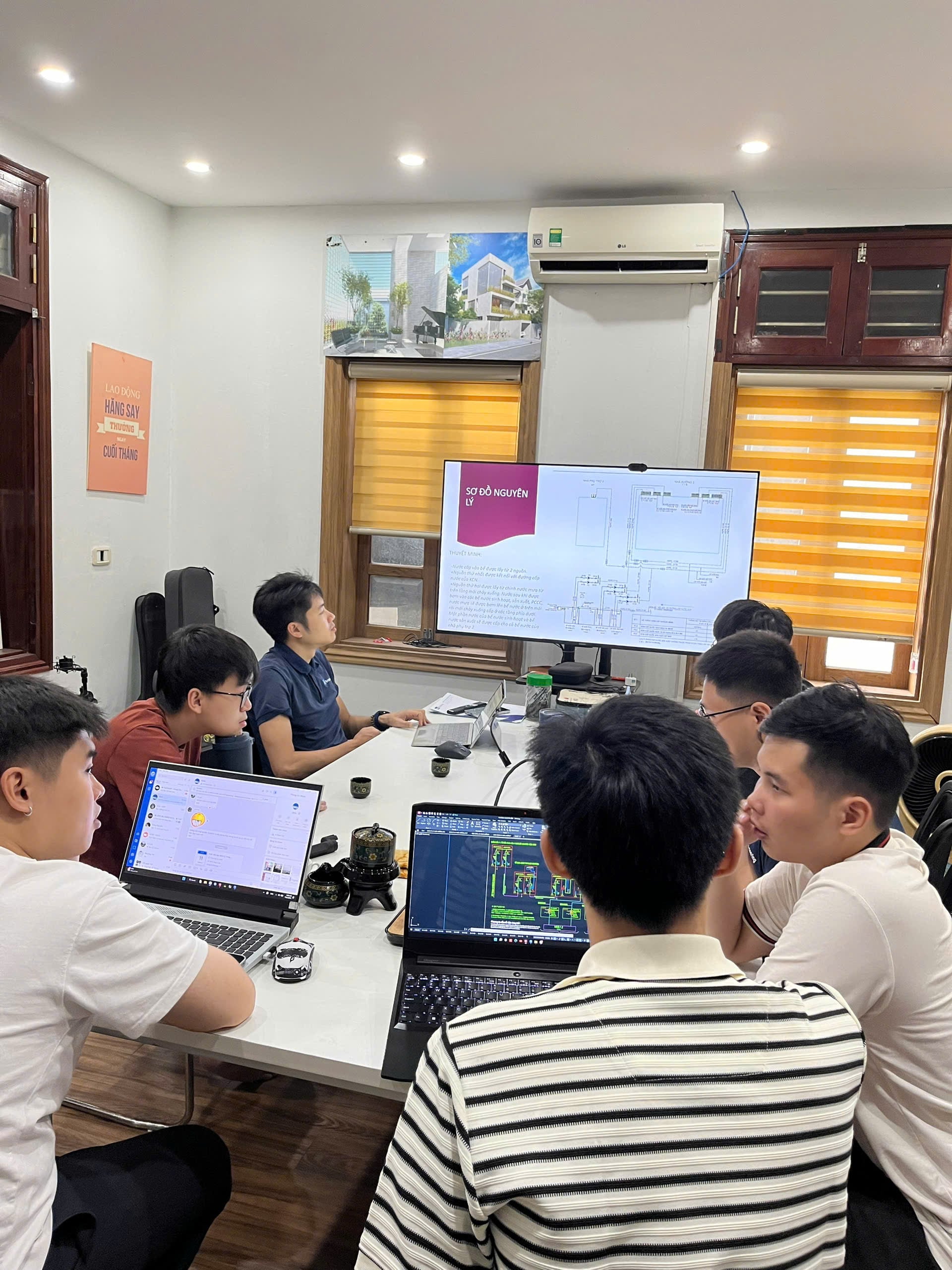
For architecture, engineering, and construction companies that need additional BIM production capacity, DHA Engineering offers BIM modeling, BIM coordination, and MEP engineering support for building projects.
According to its published professional services, DHA Engineering works across architectural and structural BIM, MEP BIM coordination, MEP shop drawings, MEPF design services, and as-built models. Its published technology stack includes Autodesk Revit, Navisworks, and Dalux.
DHA is a BIM consulting and engineering services provider, not a job board or a recruitment platform. Companies looking for project-based technical support can evaluate its services against their actual project requirements.
8.1. BIM Modeling and Revit Services
DHA Engineering provides architectural and structural BIM modeling using Autodesk Revit, with published capabilities up to LOD 300–400 depending on project requirements.
For companies that need external modeling support, an agreed scope may include developing or updating discipline-specific models, preparing model-based documentation, and incorporating design revisions.
The appropriate deliverables, information requirements, and model detail should be defined for each project rather than assuming that every model requires the same LOD.
8.2. MEP Coordination and Clash Detection
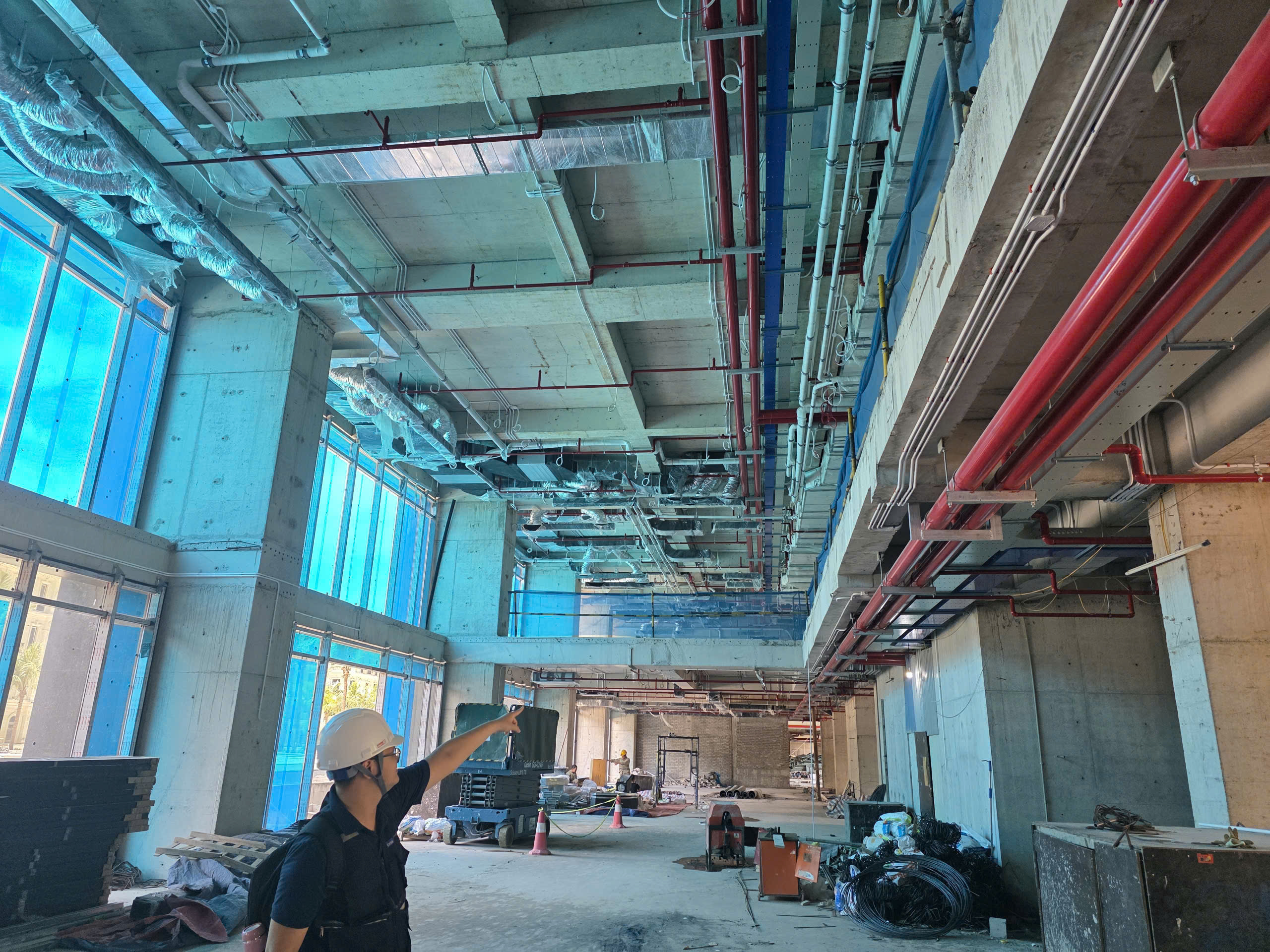
MEP-intensive projects often require coordination between HVAC systems, mechanical equipment, plumbing, electrical services, fire protection, architecture, and structure.
DHA's published service portfolio includes MEP BIM coordination and clash detection using Navisworks and Dalux, together with coordination support and resolution proposals.
Depending on the agreed scope, this support can help project teams identify spatial conflicts, review coordination issues, and prepare models and documentation for subsequent review.
Final engineering decisions and approvals must remain with the professionals assigned those responsibilities under the project contract and applicable regulations.
8.3. MEP Engineering Support and Technical Documentation
DHA also identifies MEPF design services, MEP shop drawings, and as-built BIM models among its professional services.
These capabilities may be relevant to engineering consultancies, contractors, subcontractors, and architecture firms that need additional technical resources for building projects.
Before engaging an external provider, clients should confirm the precise scope, jurisdictional requirements, design responsibility, review procedures, and deliverables. Modeling and coordination support should not be confused with authorization to perform regulated engineering work in a particular jurisdiction.
8.4. Remote BIM Employment vs. Partnering with DHA Engineering
Companies considering additional BIM capacity should distinguish between recruiting an individual remote BIM professional and engaging a service provider.
A remote employee may be the better fit when the company needs a dedicated team member for continuous internal responsibilities. DHA Engineering may be worth evaluating when the requirement is a defined BIM or MEP work package supported by an external engineering team.
Potential benefits of a suitable outsourcing arrangement include:
-
Flexible project resources: Additional modeling or coordination capacity can be discussed according to project scope and workload.
-
Technical specialization: Companies can evaluate DHA's published architectural, structural, and MEP BIM capabilities against their needs.
-
Support for delivery schedules: Clearly defined external work packages may help internal teams manage peak workloads and project milestones.
-
Reduced recruitment pressure: A project-based service agreement can provide an alternative to recruiting additional permanent staff for every workload increase.
-
Coordinated digital deliverables: Agreed workflows can support model reviews, clash detection, documentation, and revisions.
These are potential benefits, not guaranteed outcomes. Results depend on the project's scope, source information, technical complexity, coordination process, review responsibilities, and the terms agreed by both parties.
8.5. Discuss Your BIM Outsourcing Requirements with DHA Engineering
If your organization needs support with Revit modeling, architectural or structural BIM, MEP coordination, clash detection, shop drawings, or as-built BIM, contact DHA Engineering to discuss the project requirements.
When making an inquiry, consider preparing the following information:
-
Project type and current stage.
-
Required BIM disciplines and services.
-
Available drawings, models, and technical specifications.
-
Target LOD or other model information requirements.
-
Applicable BIM standards and coordination platforms.
-
Expected deliverables, milestones, and review procedures.
-
Project jurisdiction and responsibility for design approval.
Contact DHA Engineering
-
Website: https://dha-engineering.com/
-
Services: BIM Design and Engineering Services
-
Email: contact@dha-engineering.com
-
Phone: +84 868 248 333
Contact DHA Engineering to discuss your project scope and explore whether its BIM outsourcing services are suitable for your technical requirements and delivery schedule.
9. FAQ: Remote BIM Jobs
9.1. What Are Remote BIM Jobs?
Remote BIM jobs are positions that allow professionals to perform BIM-related work outside a conventional office. Responsibilities may include Revit modeling, construction documentation, model coordination, clash detection, and information management. Availability depends on the employer, project requirements, and eligible work locations.
9.2. How Can I Find BIM Remote Jobs?
Search job boards such as Indeed and LinkedIn Jobs, explore freelance marketplaces such as Upwork, and review the official career pages of engineering and architecture companies. Use multiple job titles, including BIM Modeler, BIM Engineer, BIM Coordinator, Revit Specialist, and Digital Delivery Specialist. Verify each vacancy's remote status and eligibility requirements.
9.3. Are There Remote BIM Modeler Jobs for Beginners?
Yes, some employers offer junior or entry-level BIM modeling positions, although requirements vary. Beginners should develop Revit proficiency, learn to interpret construction drawings, understand basic modeling standards, and prepare a portfolio demonstrating their own work. Not every remote vacancy is suitable for candidates without professional experience.
9.4. What Skills Are Required for BIM Modeler Remote Jobs?
Common requirements include discipline-specific BIM software proficiency, construction drawing interpretation, model organization, technical documentation, and the ability to follow project standards. Depending on the position, employers may also expect experience with model coordination, clash detection, quality checks, and remote collaboration tools.
9.5. Are BIM Architect Remote Jobs Different from Architectural BIM Modeling Jobs?
The terms overlap, but responsibilities may differ. Architectural BIM modeling generally focuses on developing models and documentation, while a BIM architect position may also involve design development, architectural coordination, or broader project responsibilities. Applicants should check whether a vacancy requires architectural design expertise, professional registration, or modeling support only.
9.6. Can I Do Revit MEP Work from Home?
Yes, Revit MEP modeling can often be completed remotely when the required project information, software, and collaboration systems are available. Typical tasks include modeling HVAC, piping, plumbing, and other building services, preparing documentation, and coordinating models with other disciplines. Some roles may still require site visits, fixed working hours, or location-specific eligibility.
9.7. Do Remote BIM Jobs Require Navisworks?
Not all of them. Navisworks is particularly relevant to positions involving model federation, clash detection, and multidisciplinary coordination. A modeling-only position may focus primarily on Revit or another discipline-specific tool. Applicants should prioritize the software explicitly required in the job description.
9.8. Can I Work Remotely for an International BIM Company from Another Country?
Possibly, but remote work does not automatically mean worldwide eligibility. Employers may restrict applications by country because of employment law, tax, payroll, data-security, client, or contractual requirements. Confirm eligible locations, payment arrangements, working hours, and any professional licensing requirements before accepting an offer.
9.9. Are Remote BIM Jobs Usually Full-Time or Freelance?
Both arrangements exist. Some companies hire full-time remote employees, while others use fixed-term contracts, hourly agreements, or freelance assignments. The appropriate arrangement depends on the employer's needs and the candidate's circumstances. Always review the contract scope, payment schedule, expected workload, and termination conditions.
9.10. What Is the Difference Between a Remote BIM Job and BIM Outsourcing?
A remote BIM job generally involves an individual working for an employer or client. BIM outsourcing involves contracting an external service provider to complete an agreed scope of technical work, such as Revit modeling, MEP coordination, clash detection, or documentation.
Remote employment is often suitable for continuous individual responsibilities, whereas outsourcing can provide an alternative for defined project workloads or additional specialist capacity.
9.11. How Can I Avoid Fake Remote BIM Job Offers?
Verify the employer independently, check the recruiter’s identity, review the official vacancy, and confirm the contract and payment terms. Be suspicious of offers that require upfront recruitment fees, payments for equipment through unusual channels, gift cards, cryptocurrency transfers, or the return of excess funds from a cheque. Never assume that a professional-looking online profile proves the offer is legitimate.
9.12. Can Companies Hire DHA Engineering for Remote BIM Work?
Companies can contact DHA Engineering to discuss its BIM modeling, MEP coordination, clash detection, shop drawing, and related engineering services. This is a business-to-business outsourcing arrangement, not an application for a remote employee position. Suitability depends on the requested scope, technical requirements, project jurisdiction, and mutually agreed terms.
See more:
BIM Vietnam: Services, Providers and Outsourcing Opportunities
BIM Model - The Popular Construction Method Of The Future
BIM Application in Construction: Benefits, Levels, and Implementation Process
main.comment_read_more